 Caden House
ART-LED INTERIOR
The Gallery Apartment
A home for living with art.
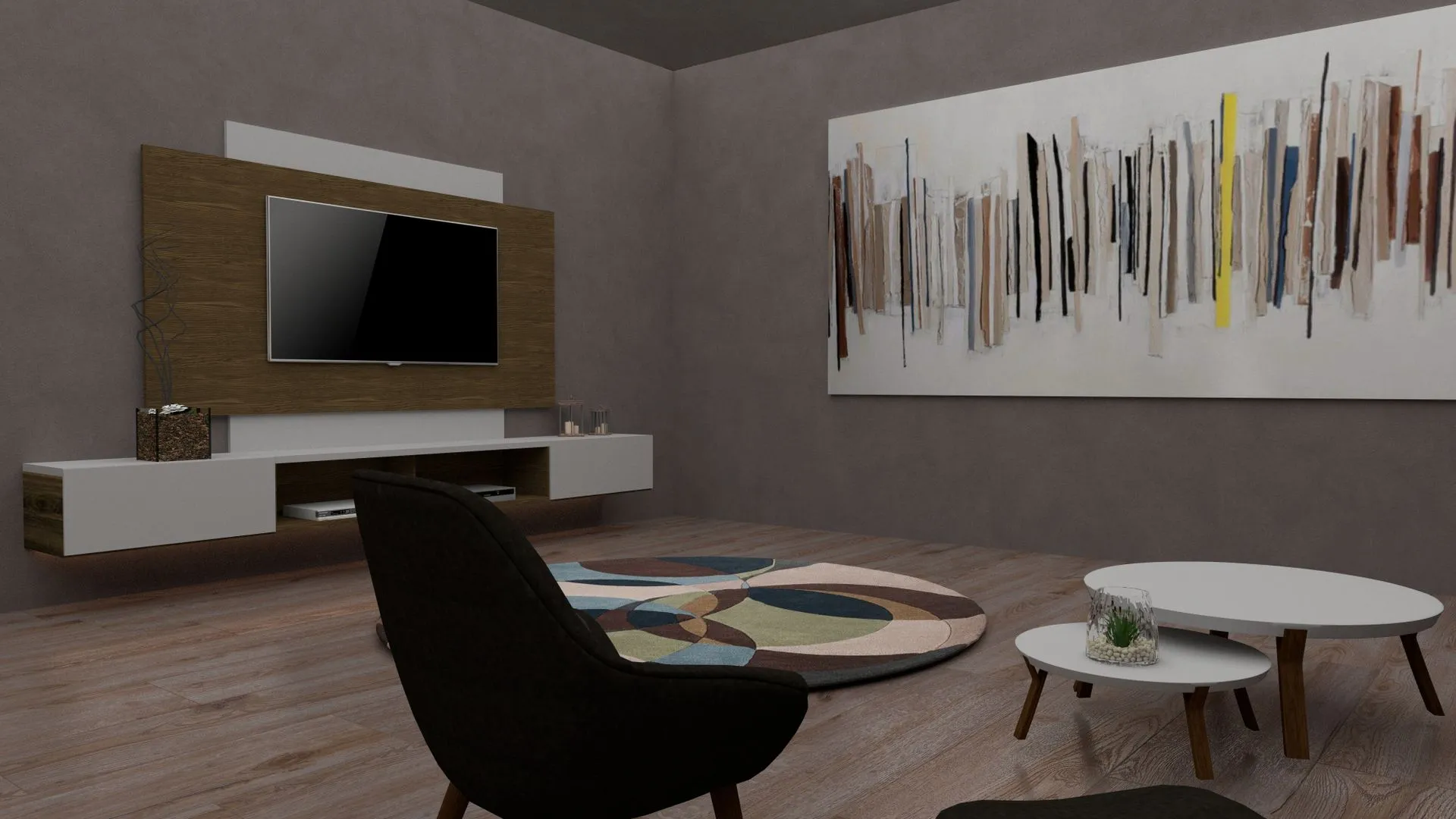
Rather than treating the collection as decoration added at the end, the interior was developed around the relationship between art, furniture, light and negative space.
Quiet architectural interventions create room for individual works to hold attention, while deeper materials and more intimate furniture groupings keep the apartment unmistakably residential.
Project Scope
Interior Architecture · Interior Design · Art Integration
The Brief
The collection needed space. The owner still needed a home.
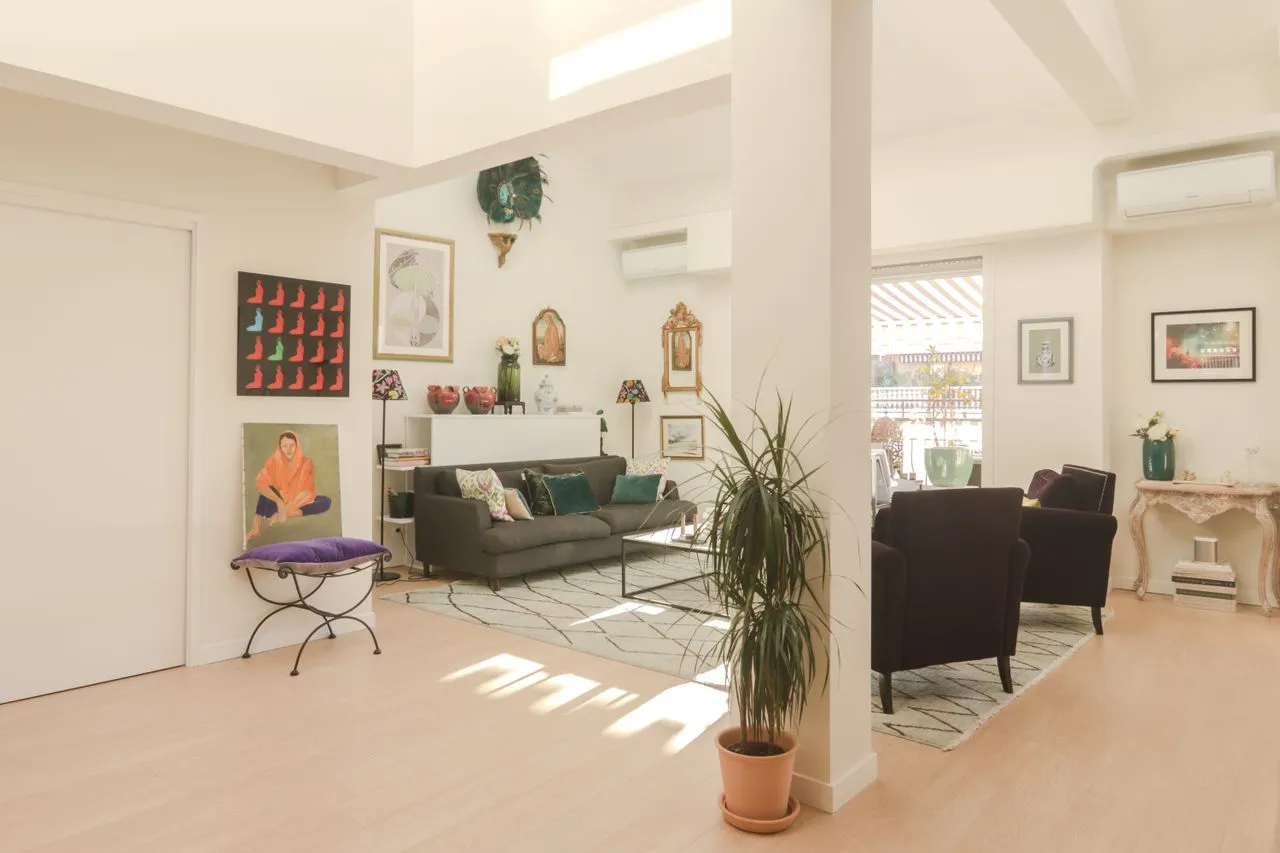
The apartment had to accommodate works of very different scales without allowing the collection to determine every other decision.
Some pieces needed uninterrupted walls and long viewing distances. Others belonged in smaller moments discovered while moving between rooms.
At the same time, furniture needed to remain comfortable, circulation natural and everyday objects free to exist without feeling like intrusions.
The question was not simply where the art would hang. It was how art and ordinary life could occupy the same rooms without either becoming background to the other.
Proportion & Placement
Not every wall needed something on it.
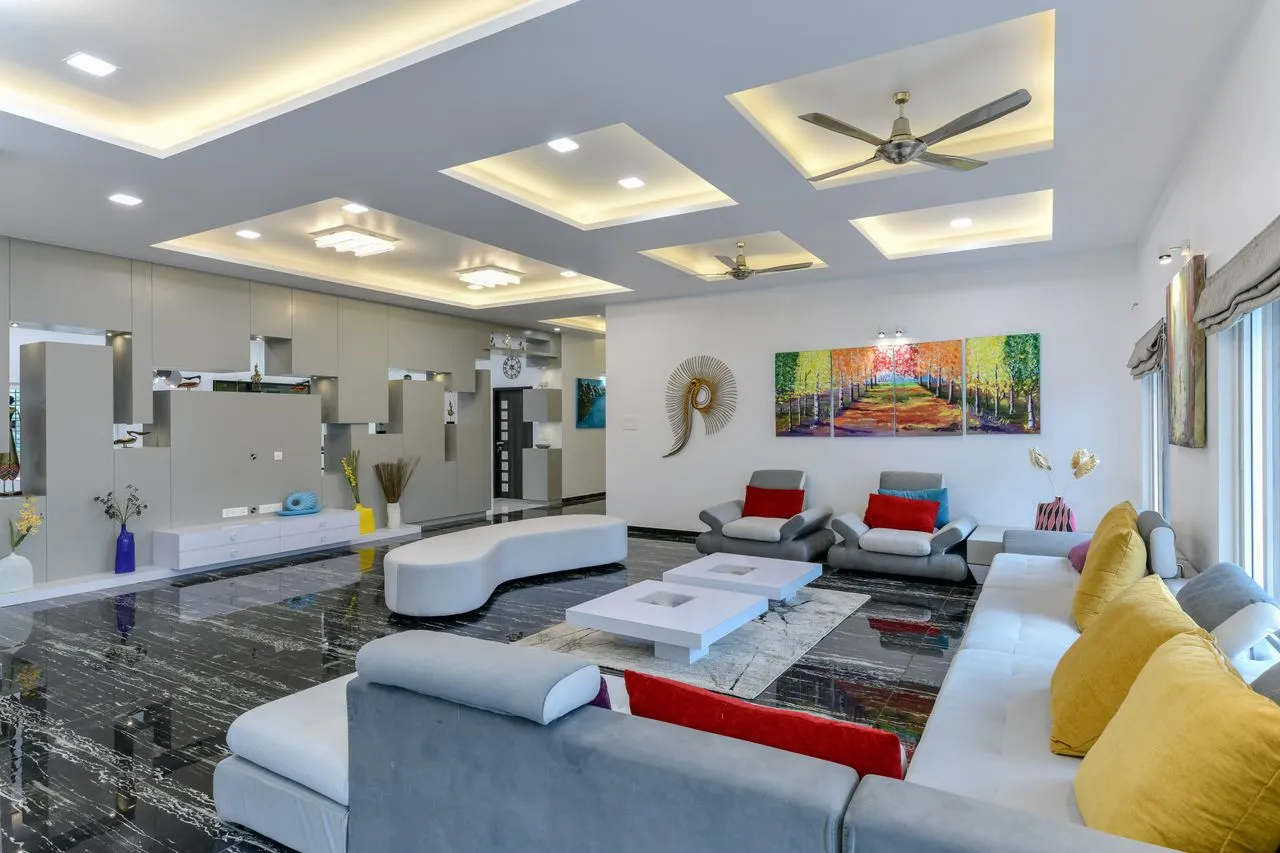
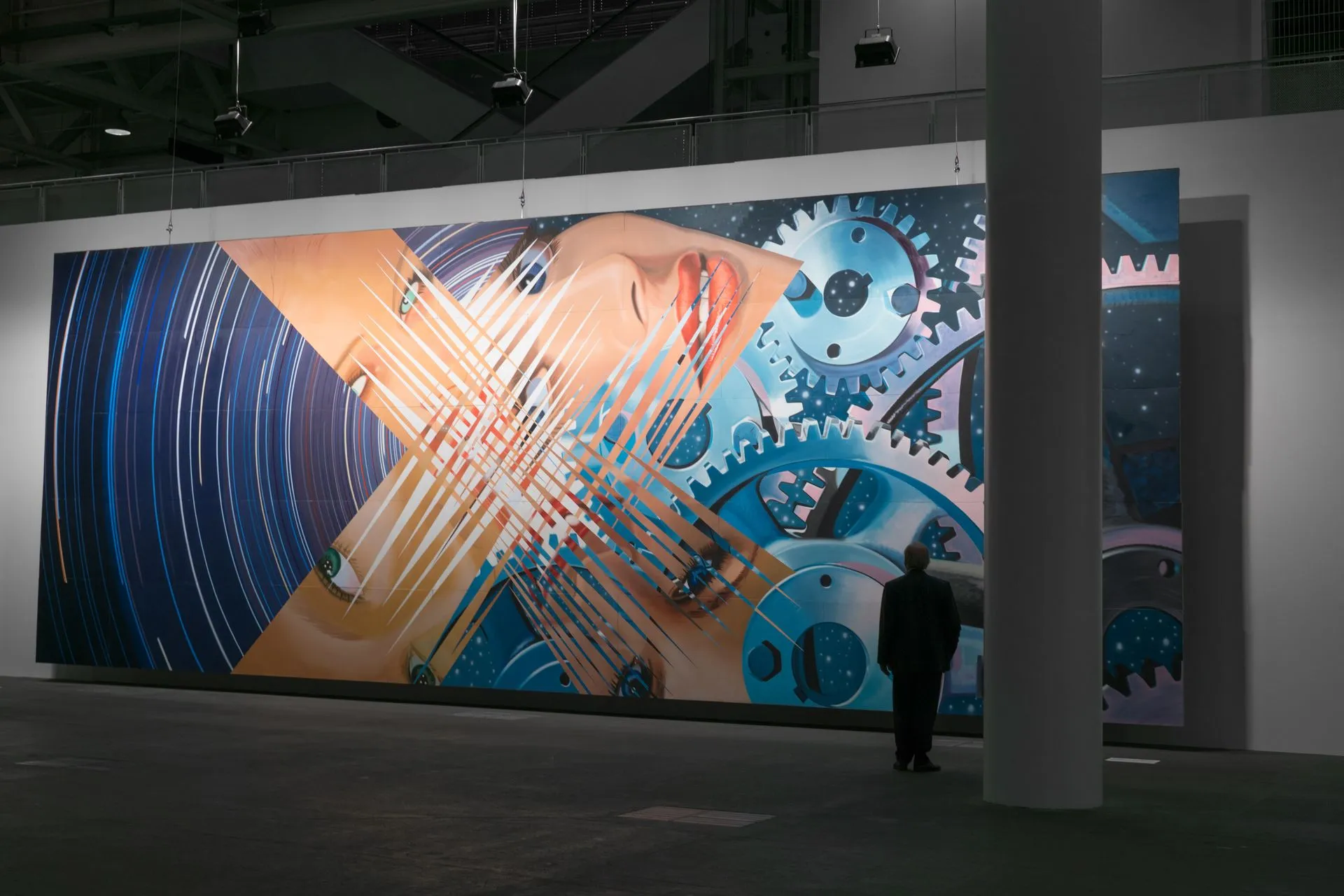
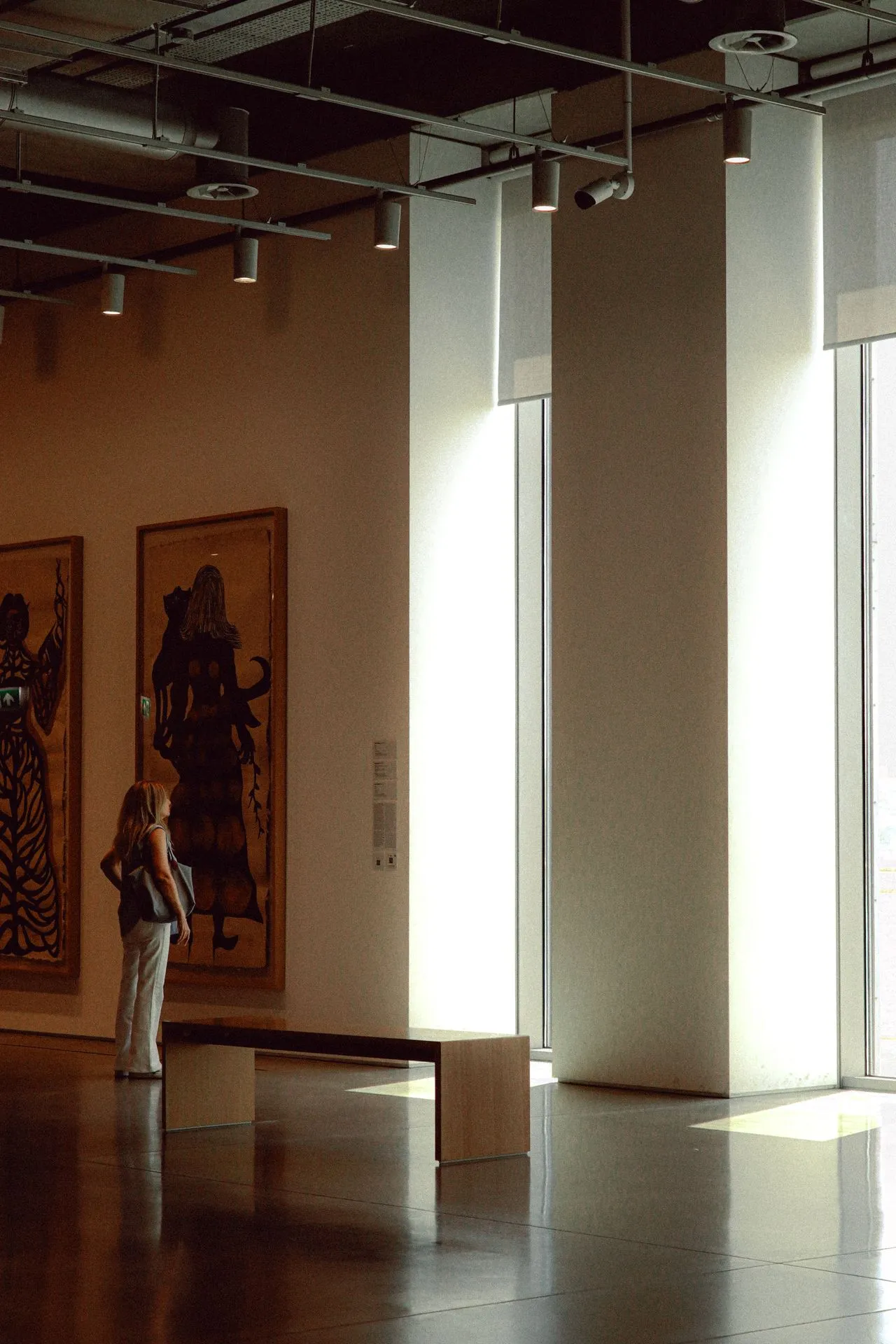
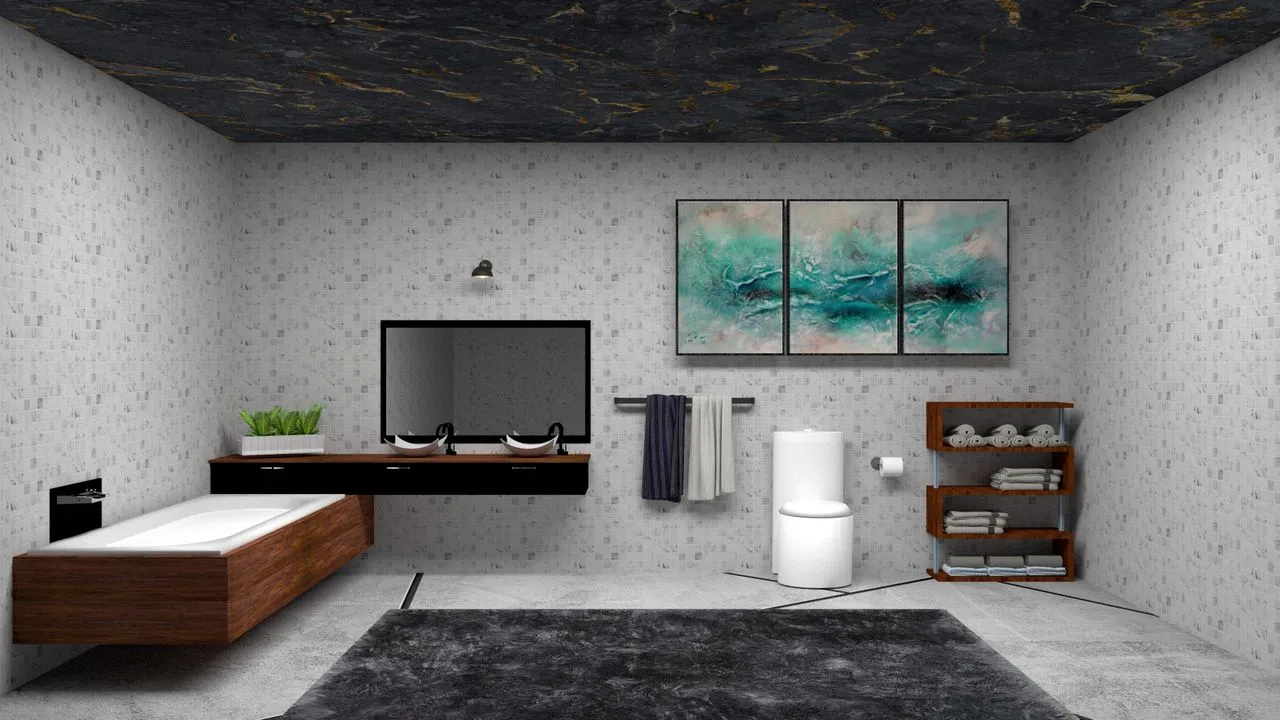
Restraint became as important as placement. Larger works are given enough distance to be experienced as part of the room rather than simply as objects attached to its surfaces. Empty walls and quieter architectural moments create pauses between pieces.
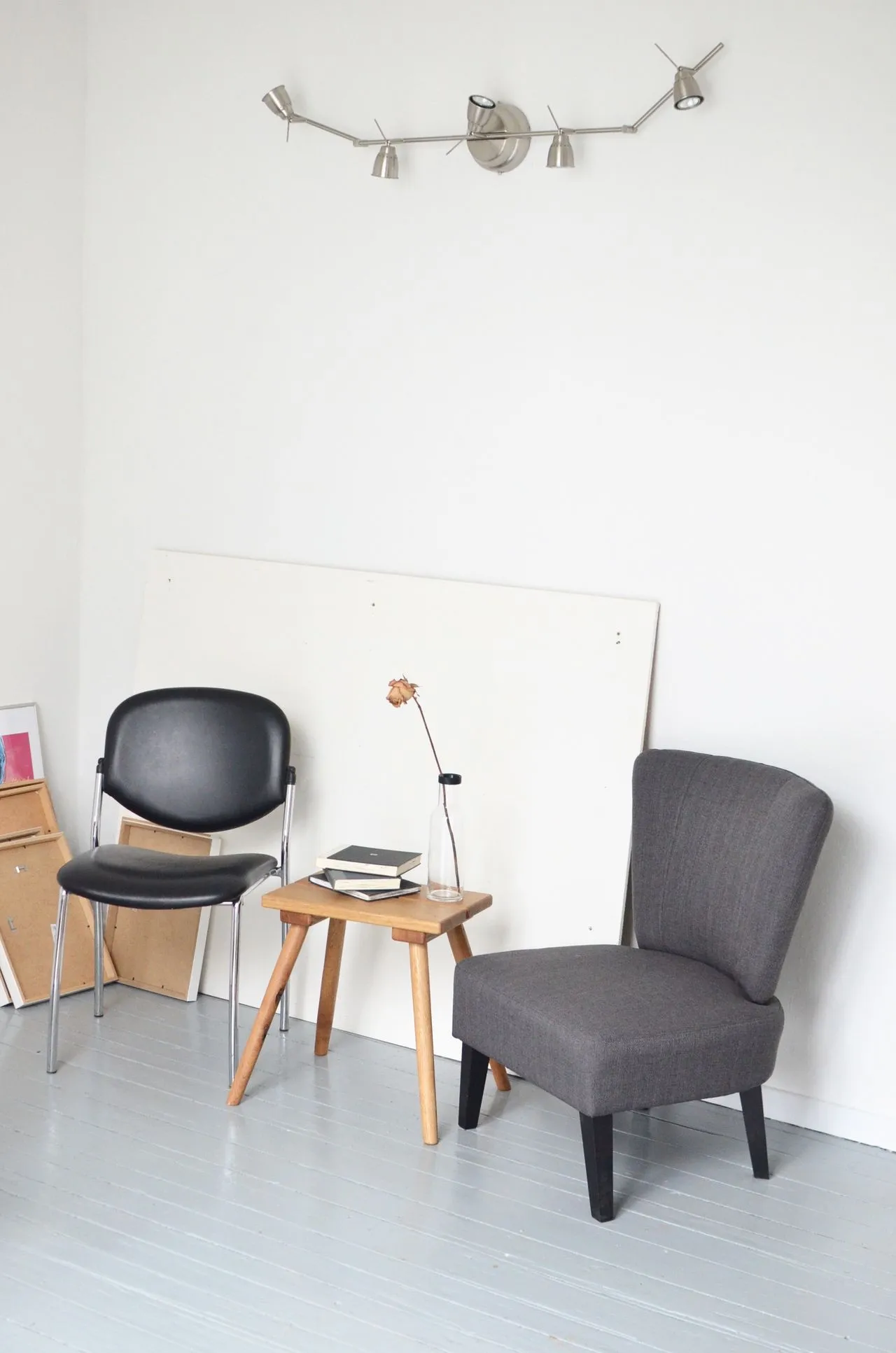
Furniture follows the same principle. Instead of filling the available floor area, individual pieces are allowed enough space to establish their own relationship with the art and architecture around them.
Sequence
Some works are approached. Others are discovered.
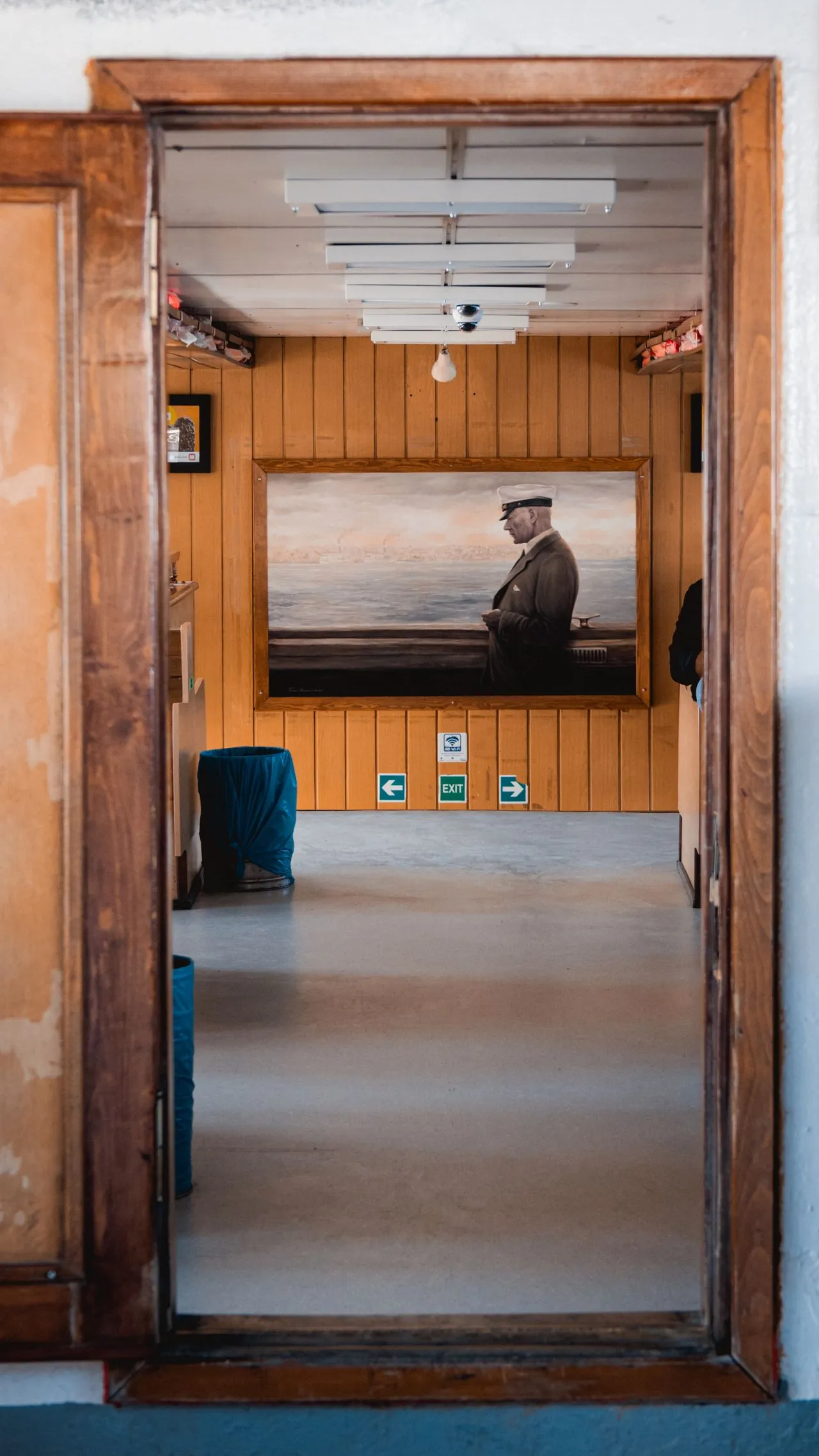
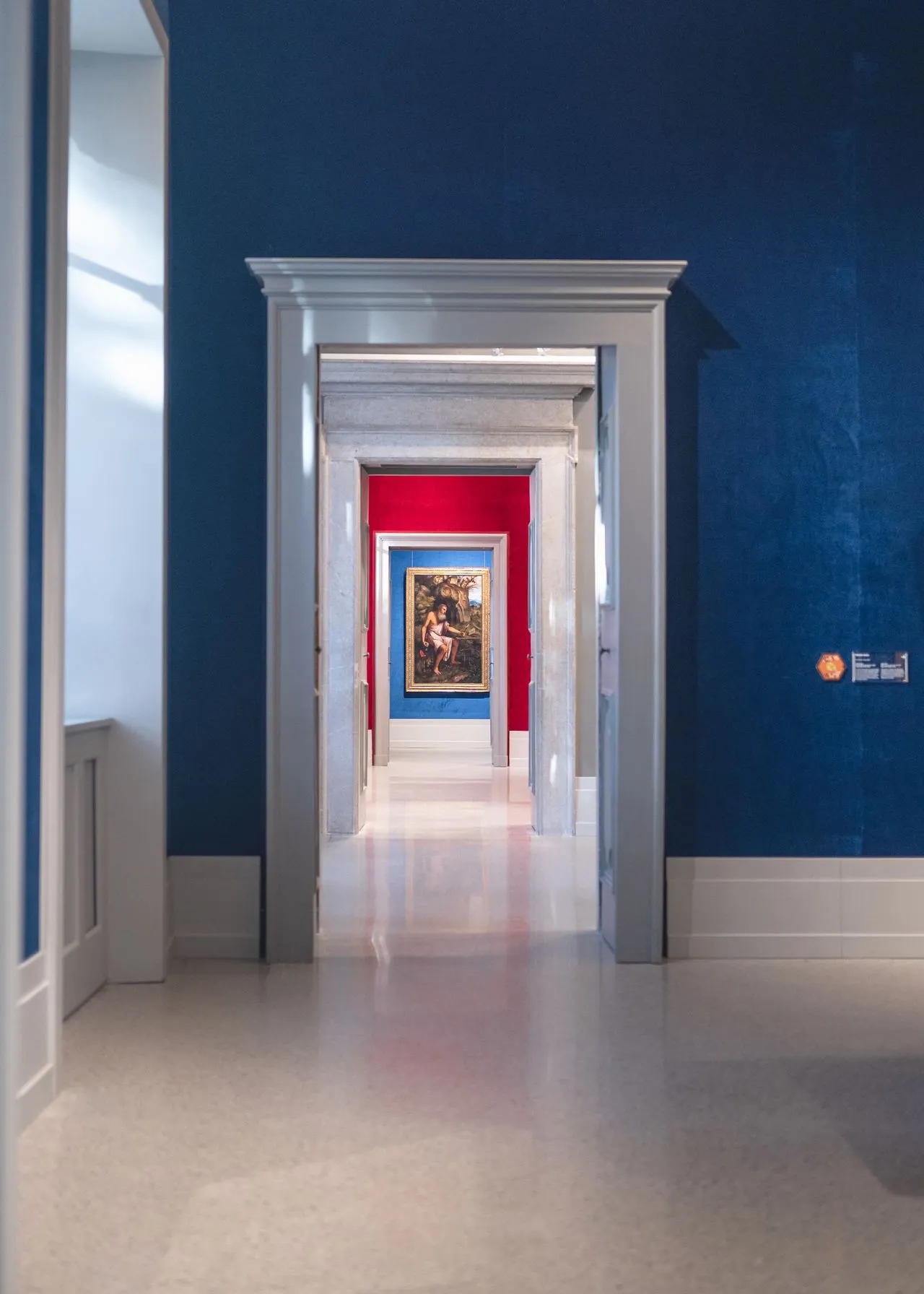
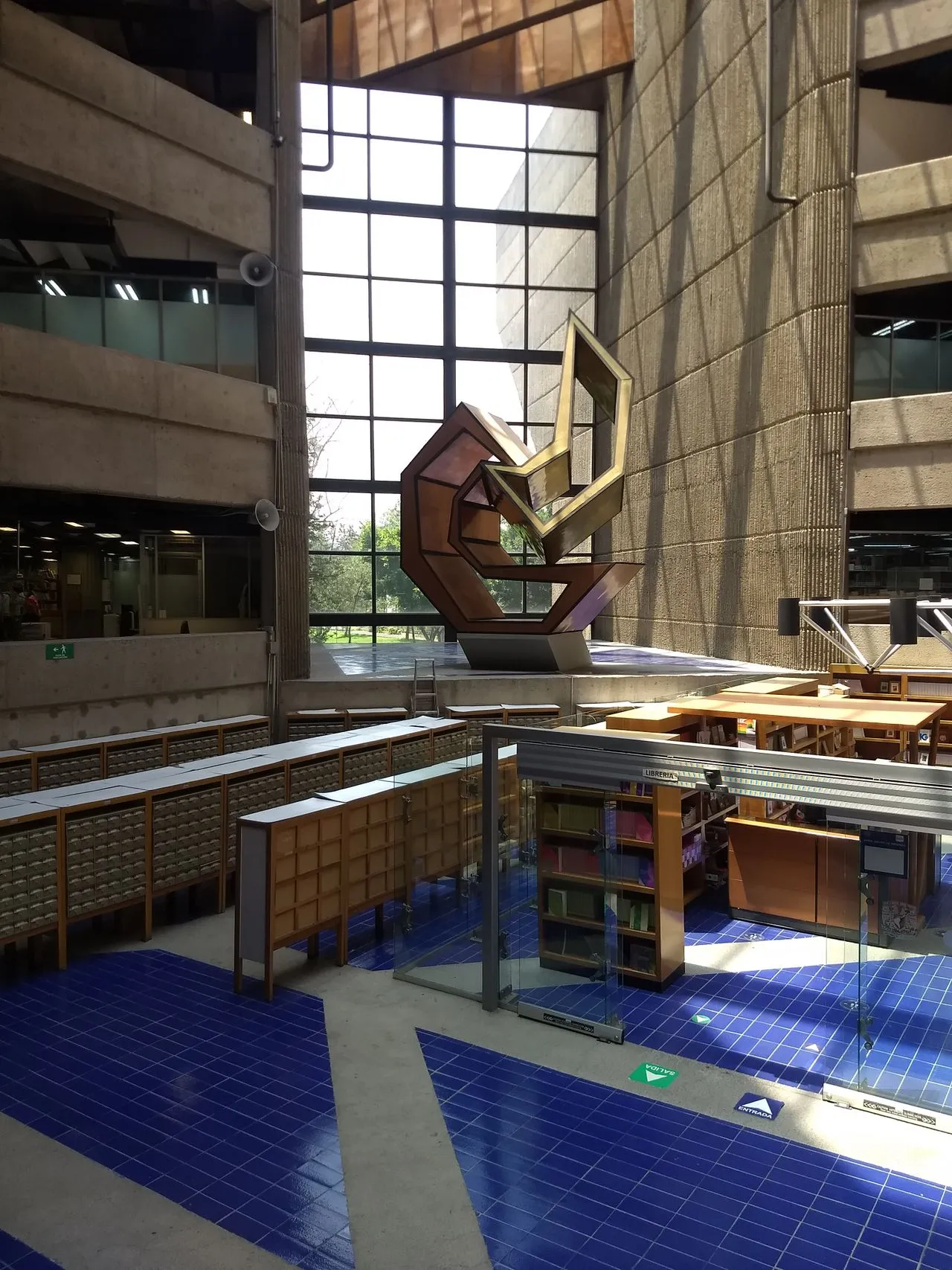
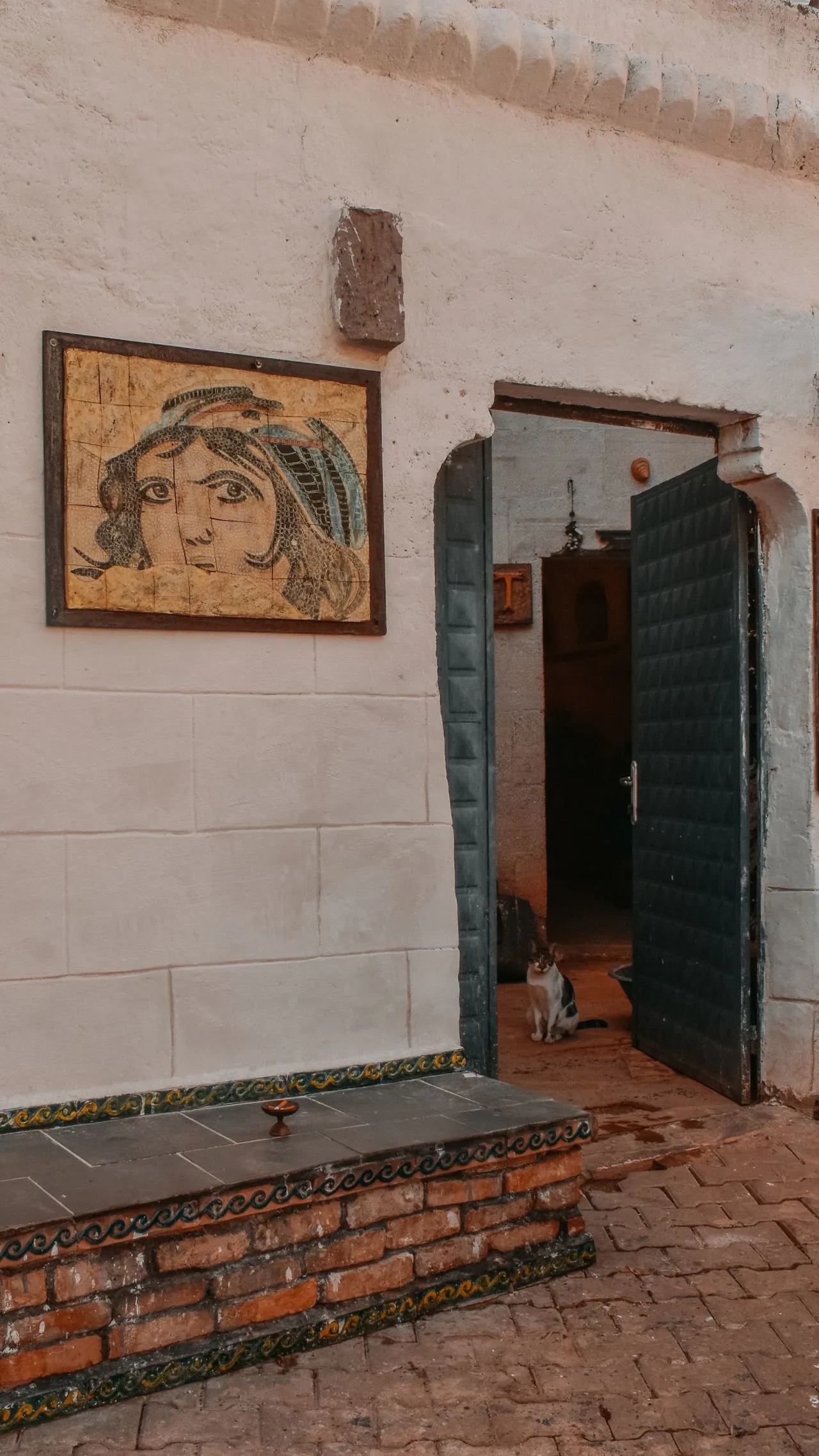
The experience of the collection changes as the apartment is crossed. A large work may terminate a long view from another room. A smaller piece becomes visible only after turning a corner. Sculpture occupies space rather than simply facing into it.
Doorways and circulation therefore become part of how the collection is encountered. Art is not concentrated into one designated room. It appears and disappears throughout the home.
Light
The art needed light without making the apartment feel permanently on display.
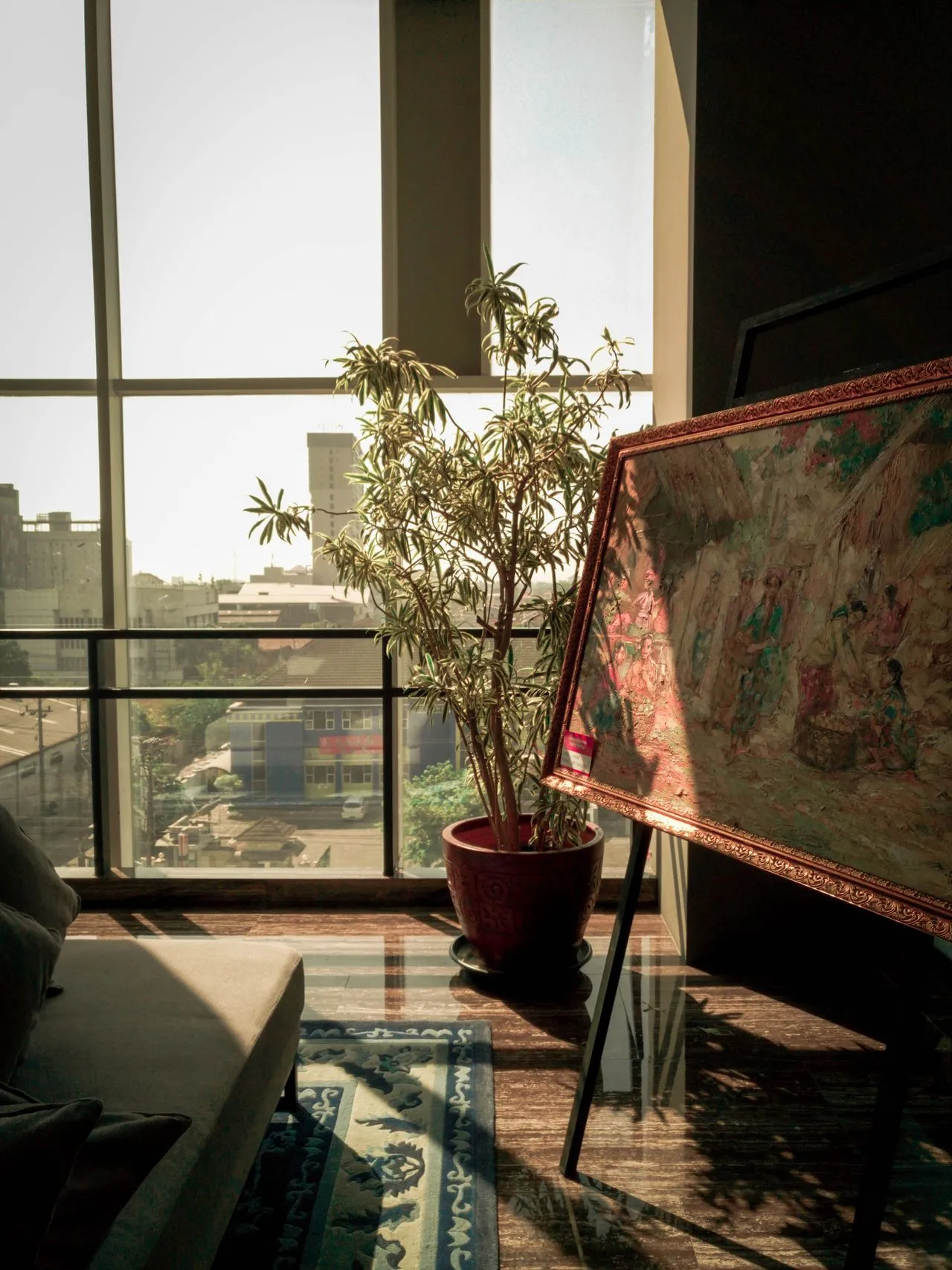
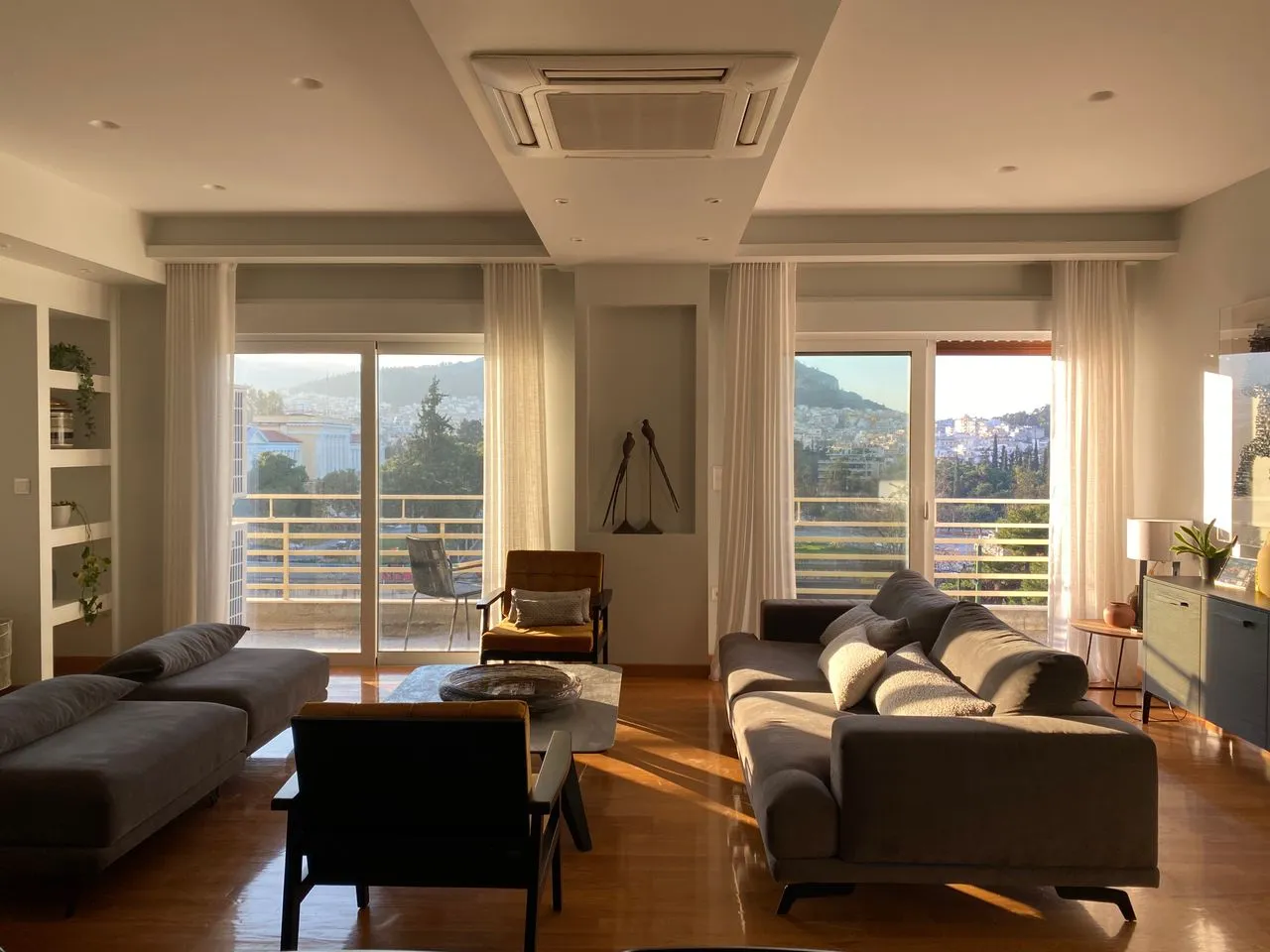
Natural light is controlled where necessary, while artificial lighting allows individual works to remain present after daylight changes. The lighting strategy avoids treating every surface equally.
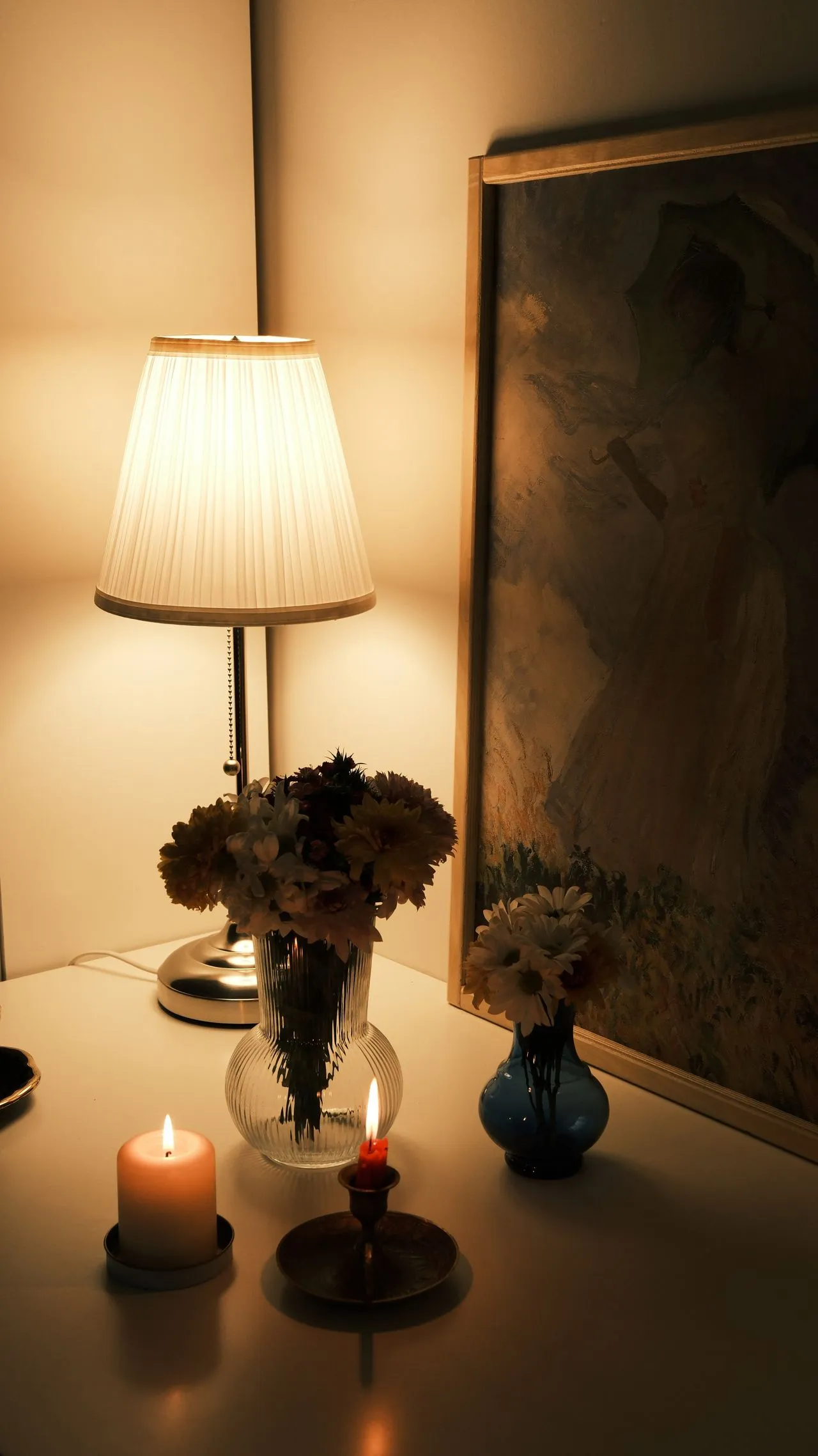
Some works are given emphasis. Other areas remain deliberately quieter, allowing the apartment to develop different levels of attention throughout the day. The same lighting that supports the collection also creates the atmosphere of the home.
Detail
The collection does not stop at the walls.
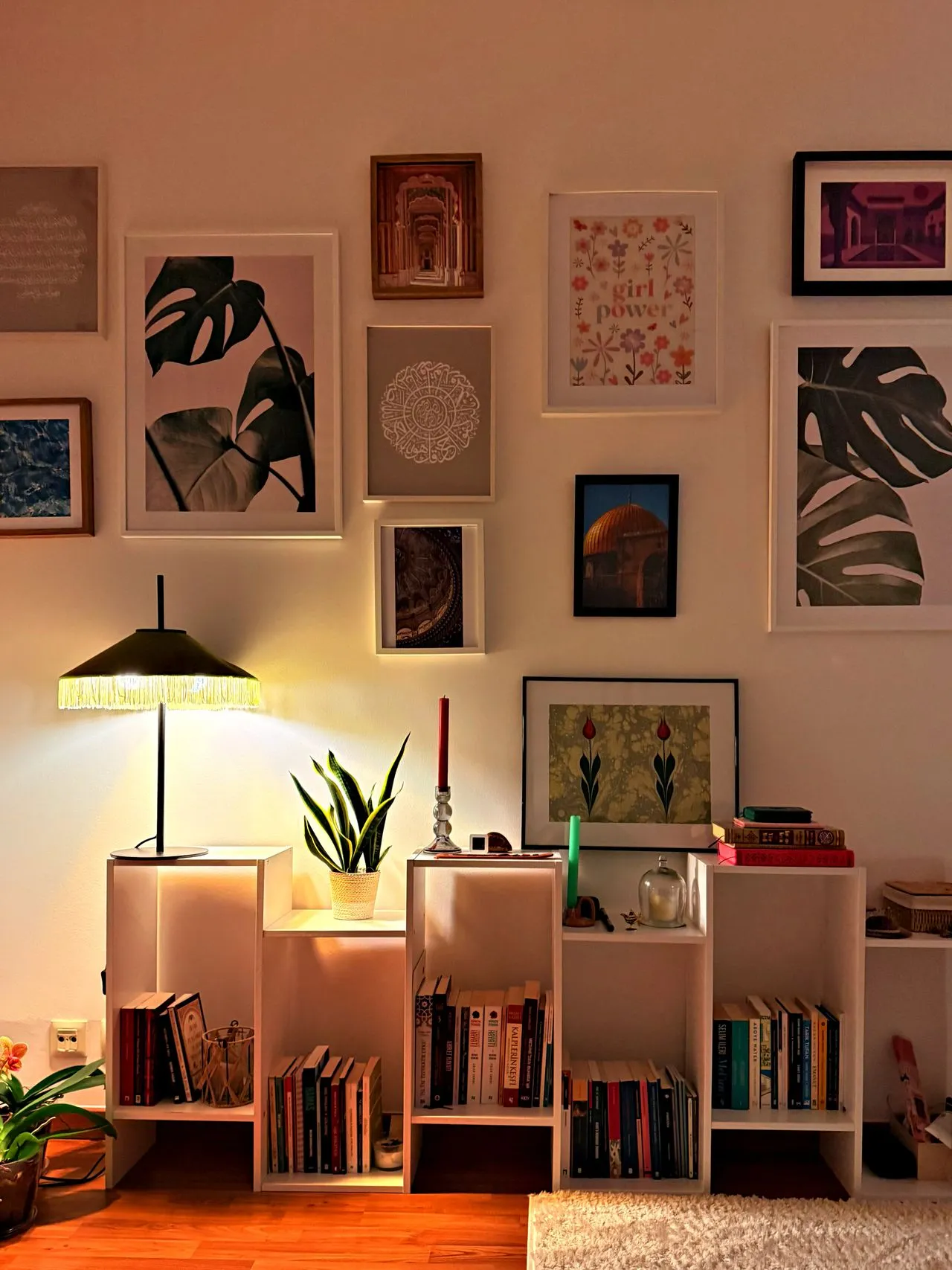
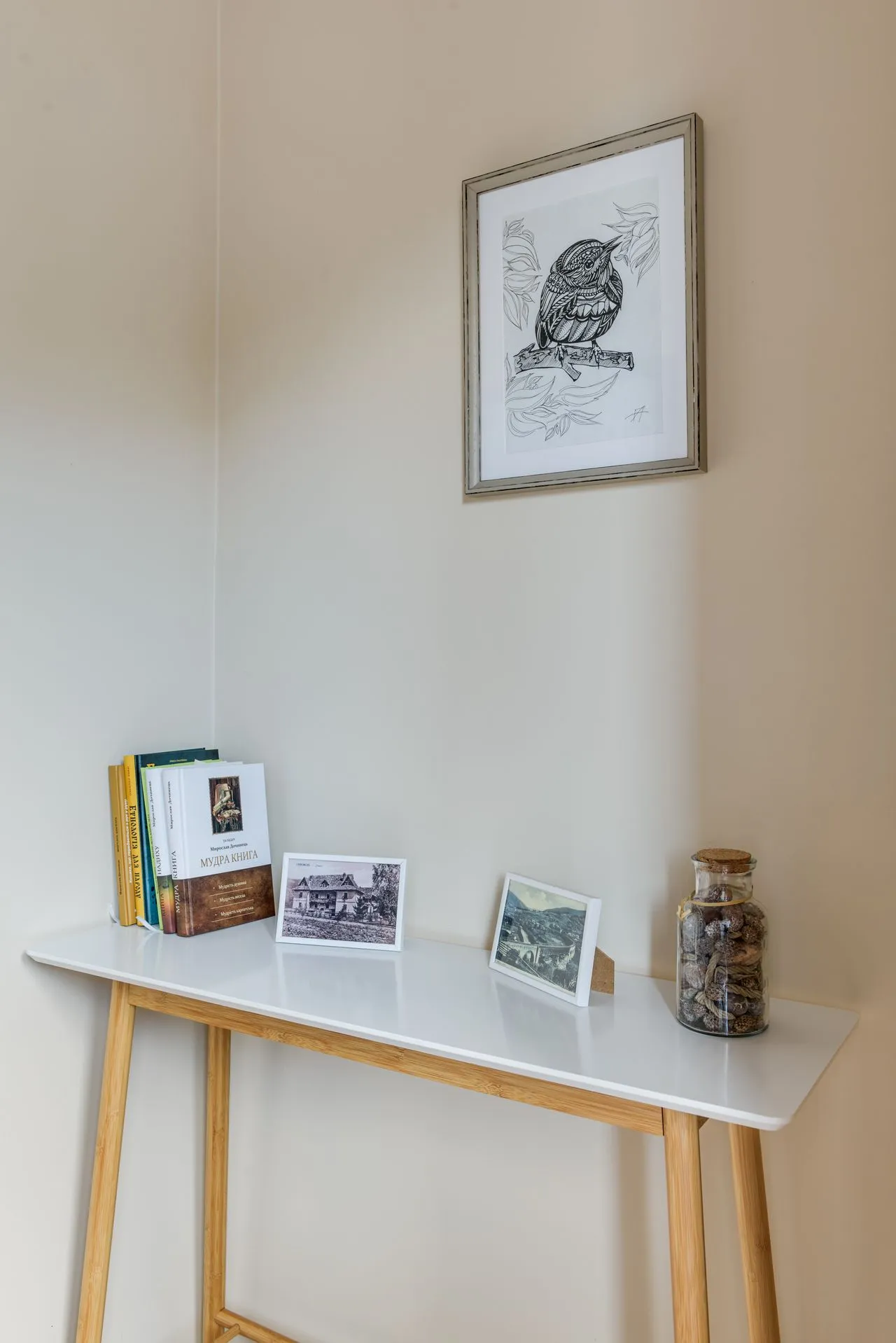
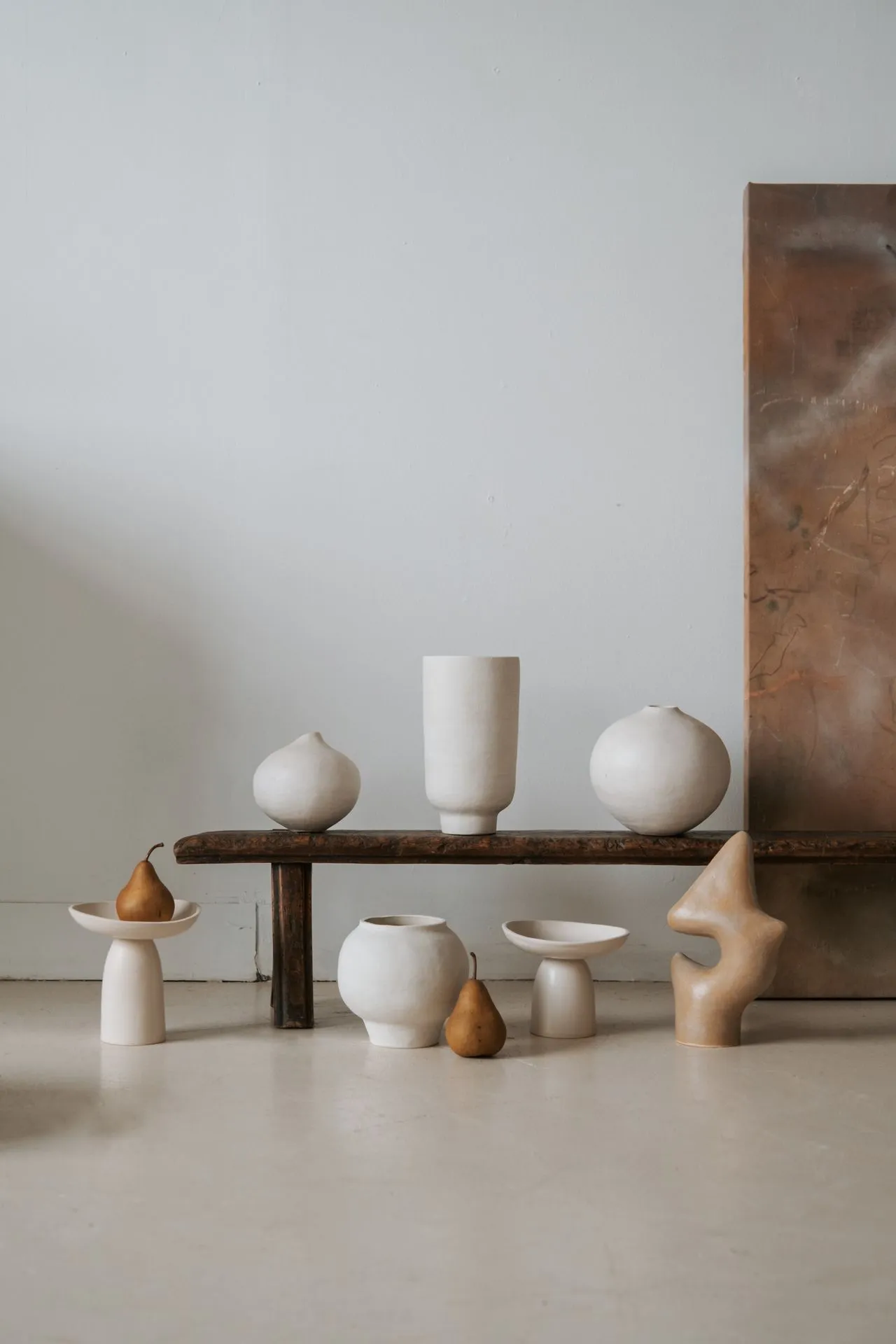
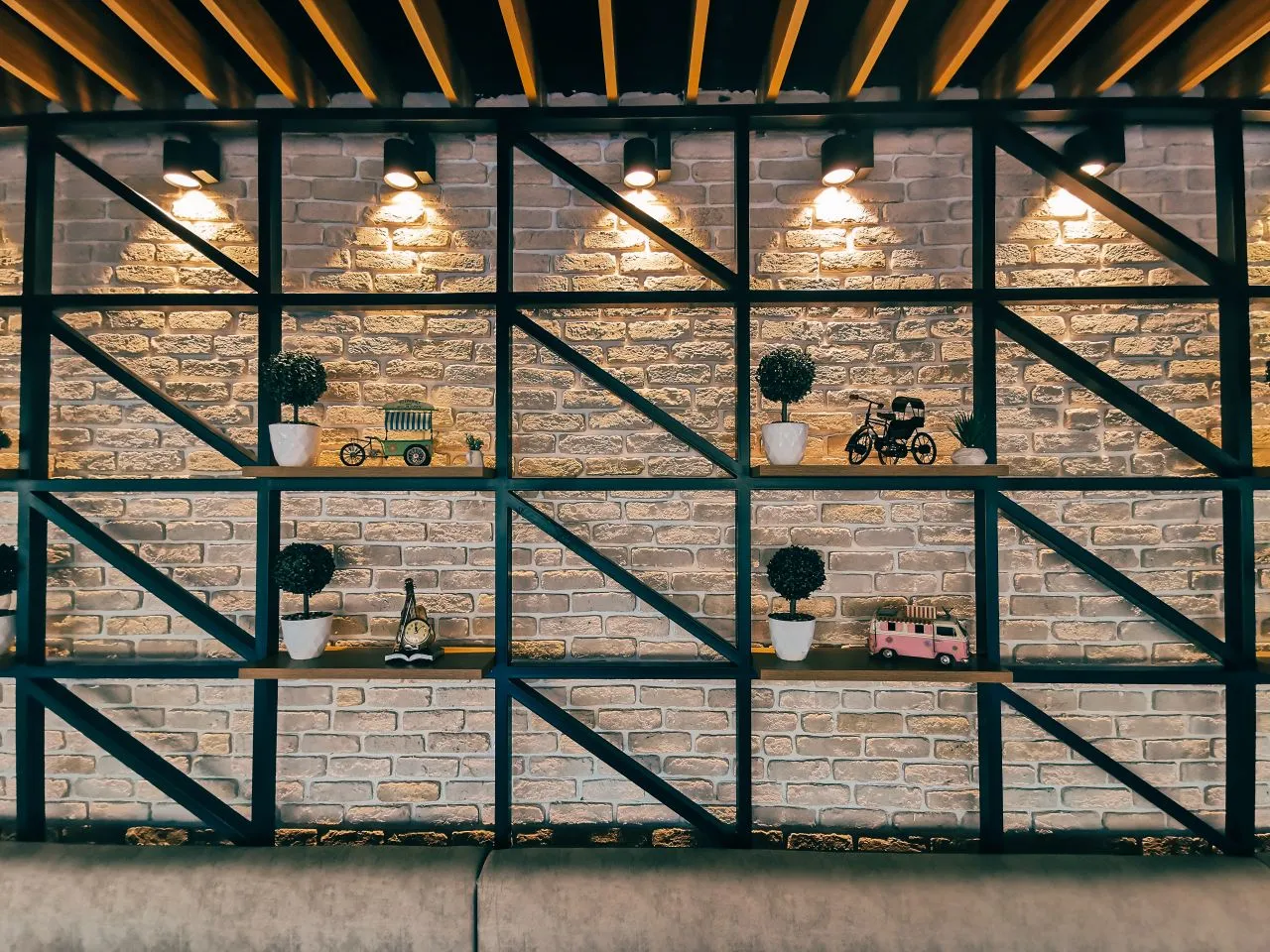
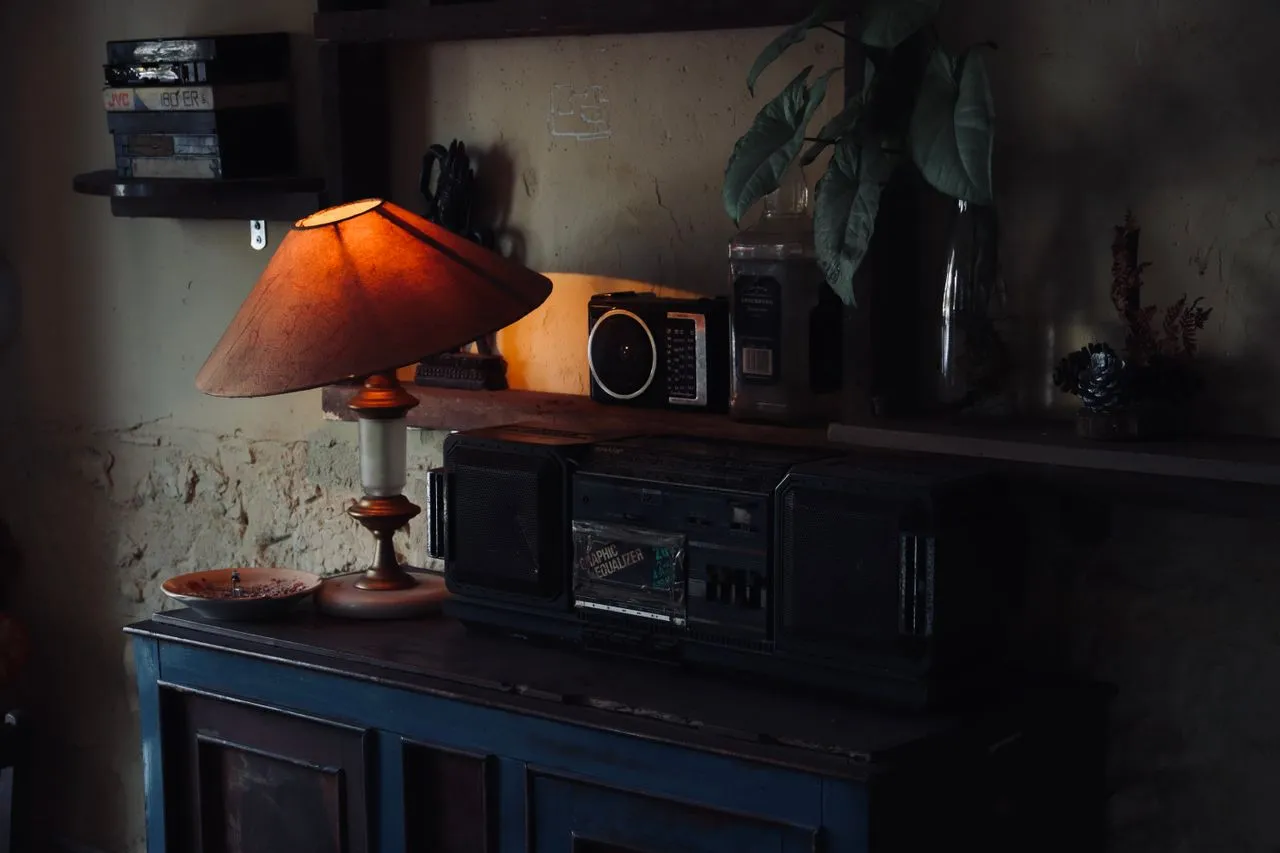
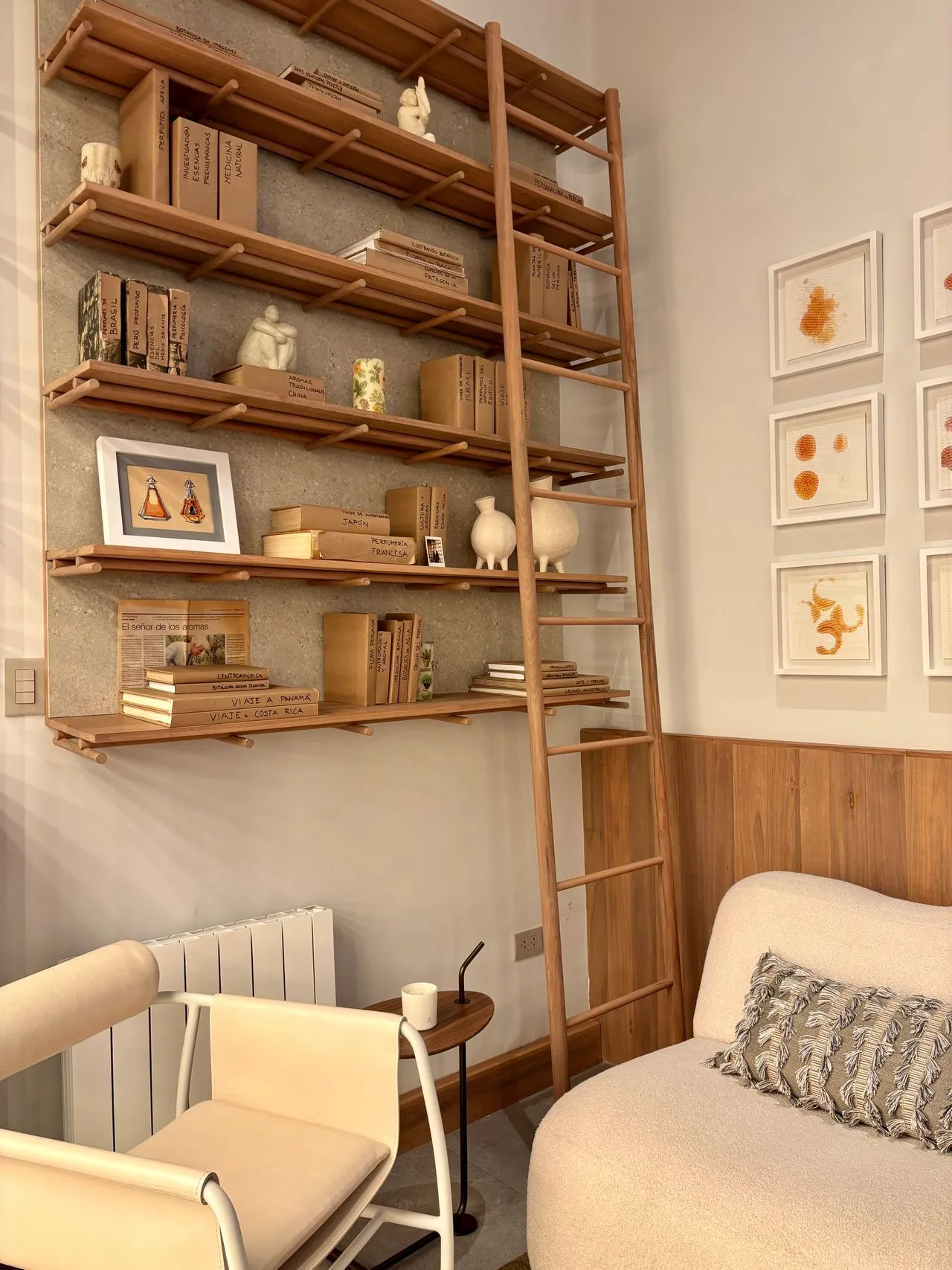
Books, ceramics, smaller works and objects create a different relationship with the rooms. Unlike larger pieces that establish the composition from a distance, these are encountered more closely: on shelves, tables, joinery and beside furniture. They make the collection feel accumulated rather than installed.
Everyday Life
Looking was never meant to be the only thing to do here.
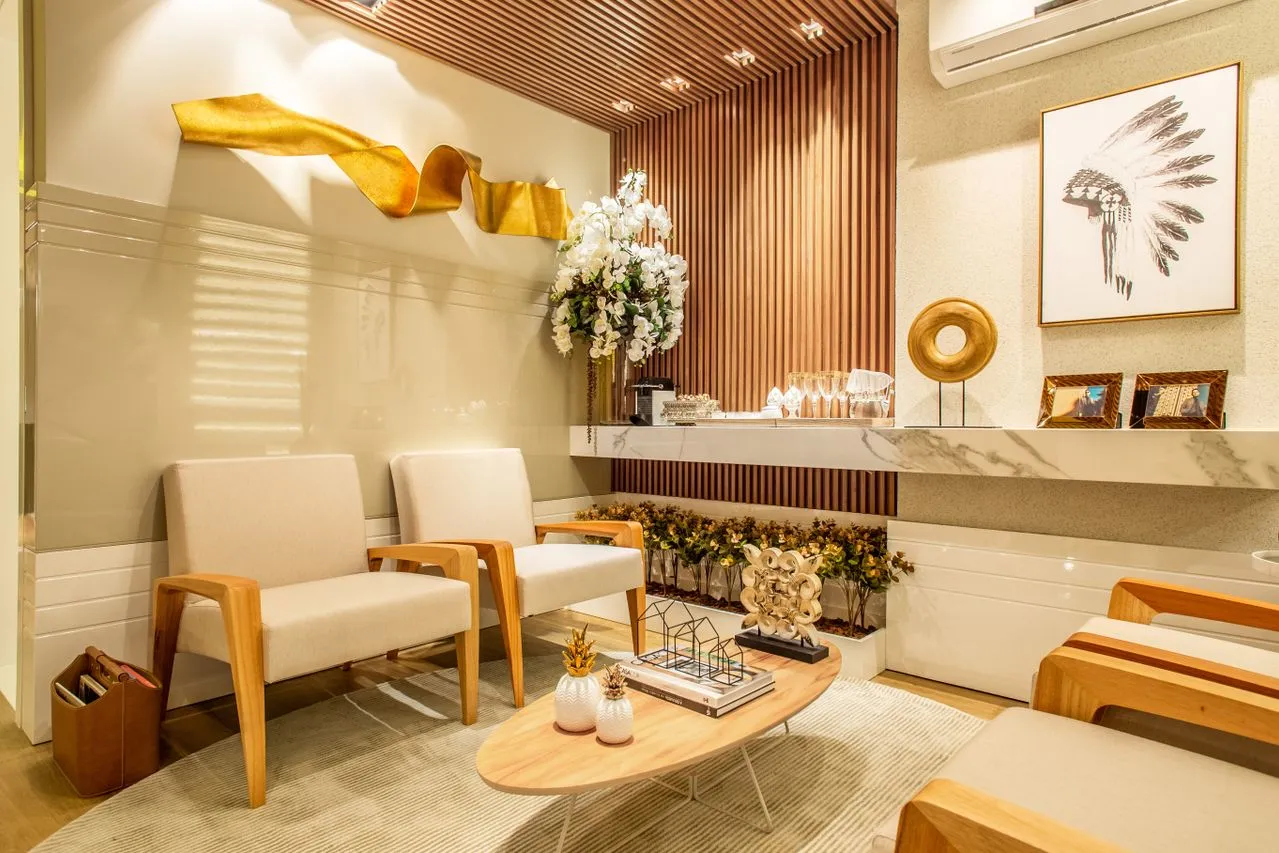
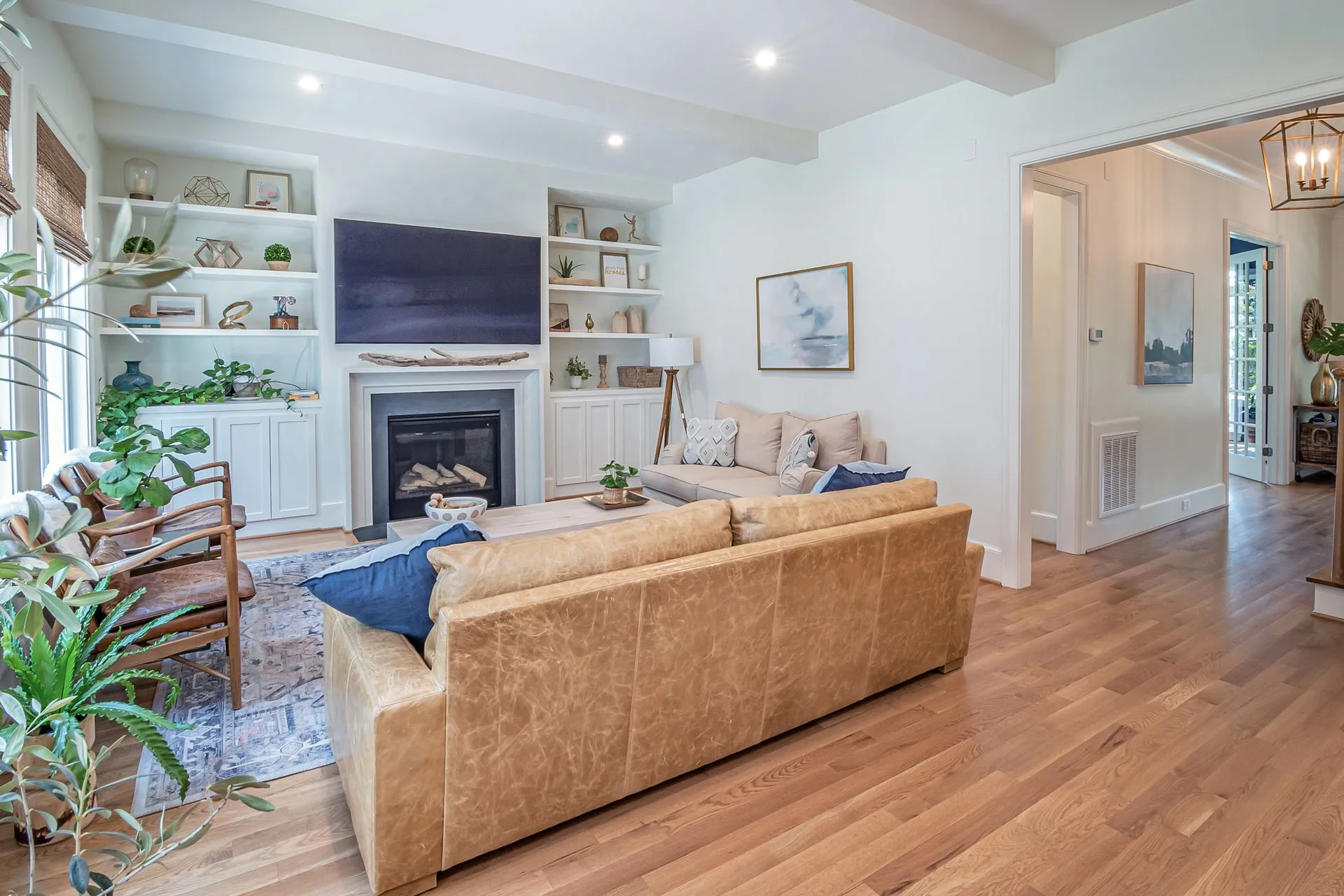
The principal living space needed to support conversation, reading and time spent alone as naturally as it supported the collection. Seating is therefore organised around people rather than positioned solely toward artwork.
Tables, lighting and smaller objects introduce the practical layers that make the room usable, while the larger works remain part of its character rather than becoming its only purpose.
Private Rooms
The art becomes more personal as the rooms become more private.
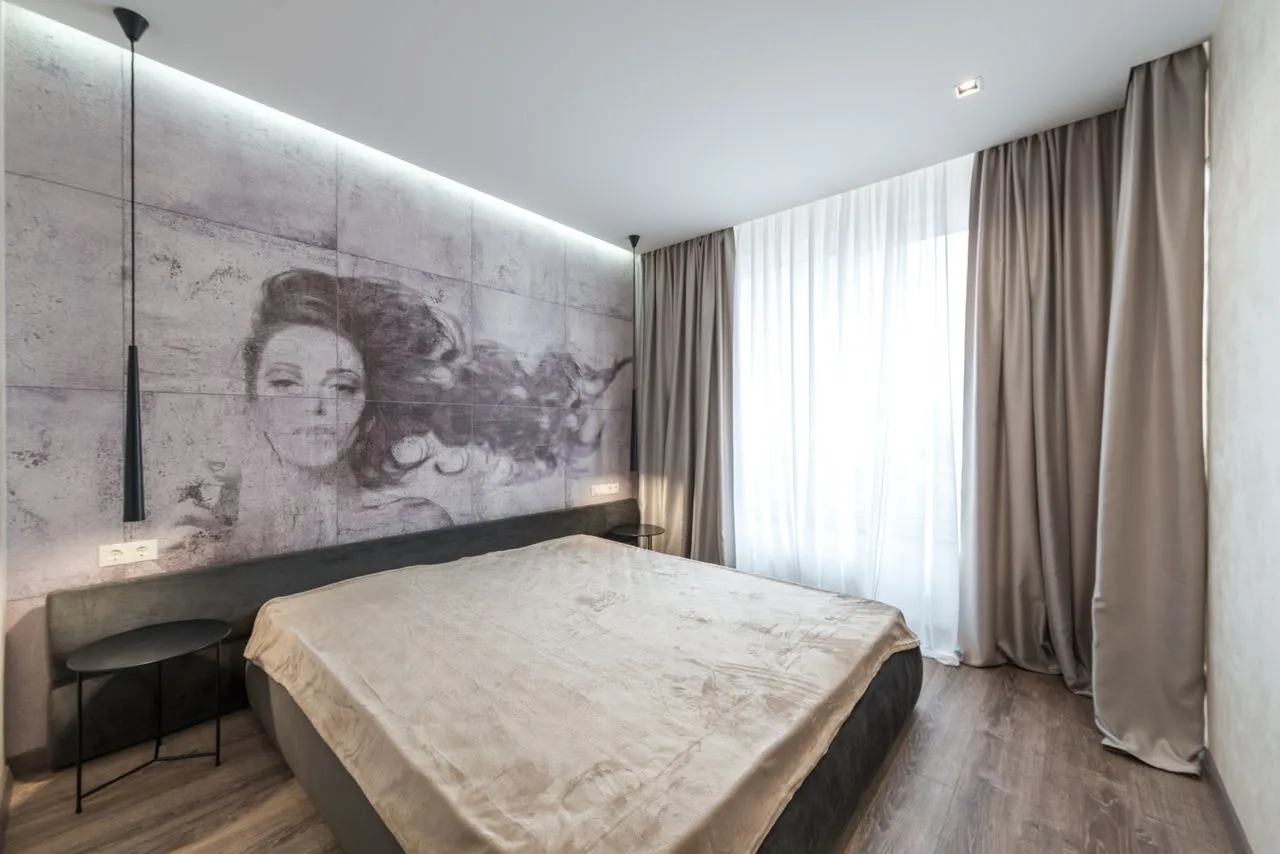
The bedroom and other private spaces use fewer works and smaller gestures. Pieces are selected for their relationship to the occupant and the atmosphere of the room rather than their ability to command architectural space.
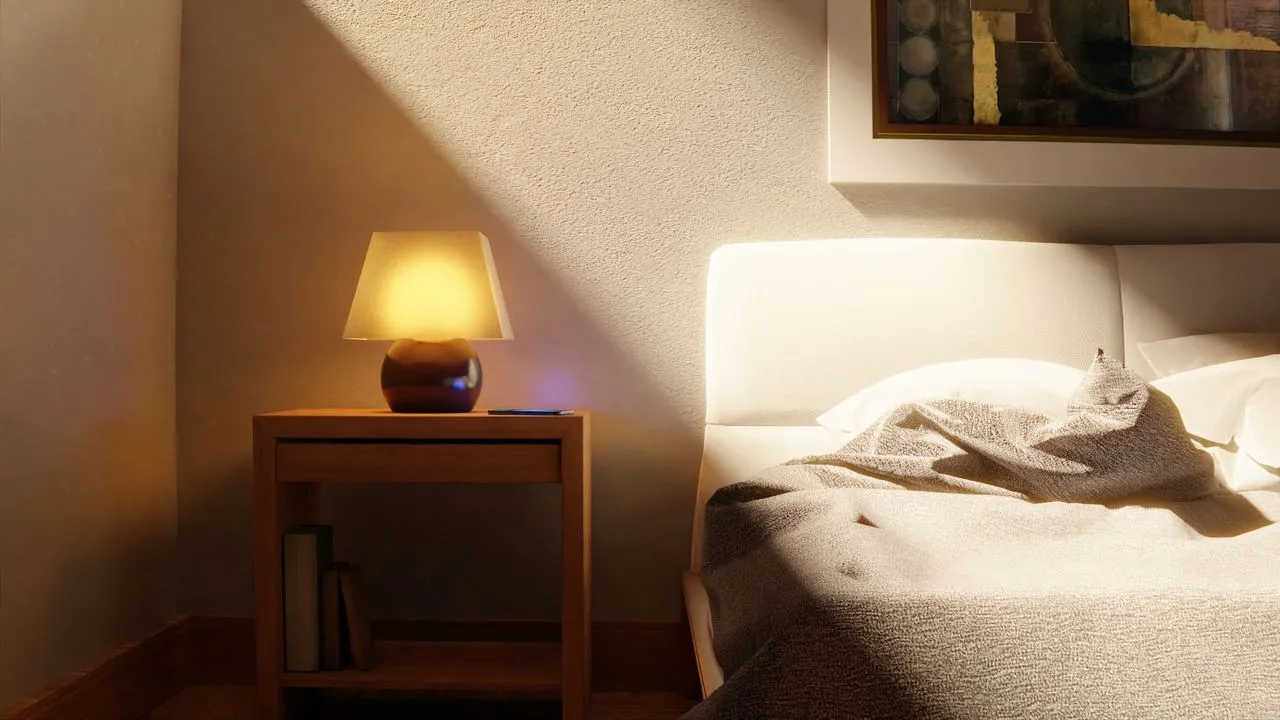
Materials soften, lighting lowers and the visual distance required by the principal collection disappears. Here, art is encountered at the scale of everyday routines.
“A collection can shape a home without asking the home to become a gallery.”