 Caden House
The Studio
A residential practice concerned with the whole home.
Caden House works across interior architecture, interior design and furnishing as parts of the same residential problem, making each home more coherent, useful and particular to the life taking place within it.
Philosophy
The interior begins before the furniture arrives.
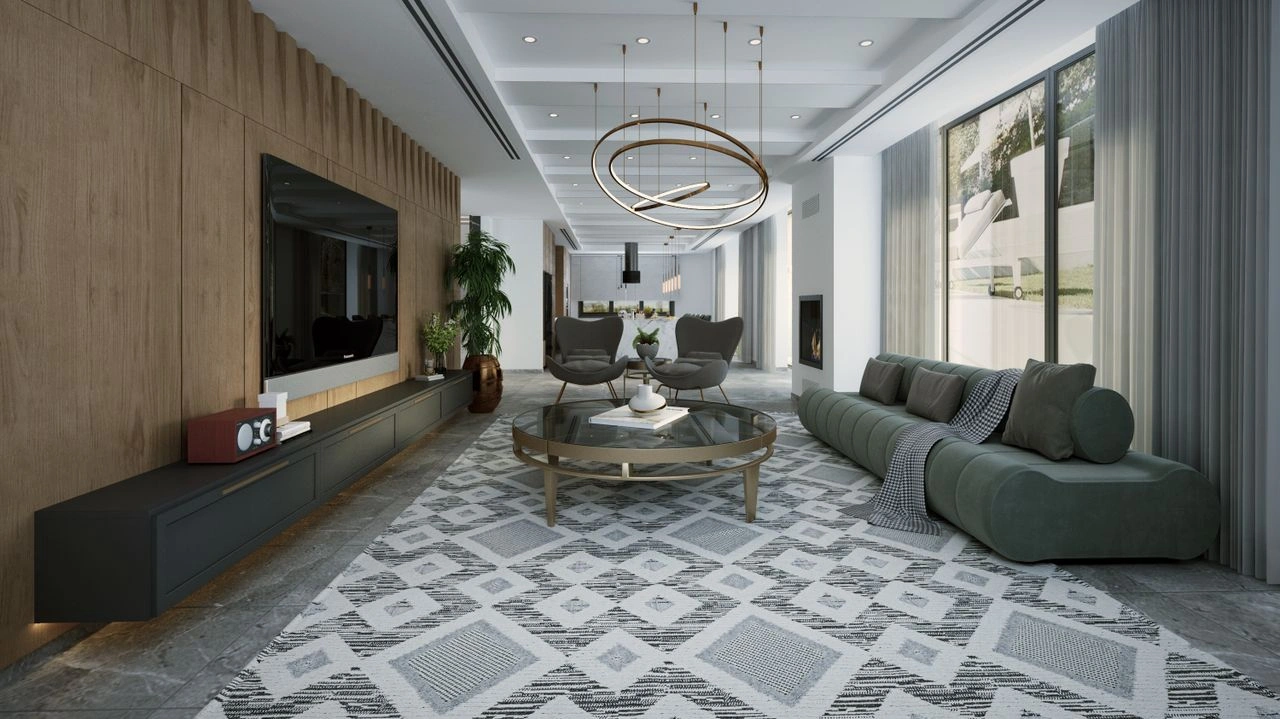
A room is affected by what happens beyond its walls.
The position of a doorway changes where furniture can sit. The depth of joinery affects circulation. Natural light changes the way materials are experienced. A kitchen can alter how a family gathers, just as the position of a chair can change how a room is used.
For that reason, Caden House does not draw a hard line between architecture and decoration.
Spatial planning, permanent elements, materials, lighting, furniture and objects are considered as one composition because that is how they are eventually experienced: together.
The smallest decision still belongs to the larger house.
Observation
Good residential decisions often begin with ordinary questions.
Before asking how a room should look, it is more useful to understand what the room needs to accommodate. The questions can appear small, but their answers often determine the architecture that follows.
Where does the day actually begin?
Which rooms naturally gather people?
What needs to remain within reach?
What should disappear when it is not being used?
Where does someone go when they need quiet?
Which doors remain open most of the time?
Where does daylight matter most?
What already belongs in the home and should remain?
How does the house change when guests arrive?
What will need to work differently five years from now?
These are not decorative questions. They determine relationships between rooms, storage, circulation, lighting, furniture and the degree of openness or privacy a home needs.
Judgment
Consistency should come from judgment, not repetition.
The people, architecture and routines behind one residence may have very little in common with those behind another.
A family home organised around a courtyard should not arrive at the same answer as an apartment designed around an art collection. A formal house may need to become easier to inhabit, while another residence may take its direction from the way daylight moves through it.
What connects the work is therefore not a recurring palette, signature material or predetermined arrangement of rooms.
It is the standard applied to the decisions: clarity of plan, attention to proportion, material purpose, useful detail and an understanding of how the home will actually be occupied.
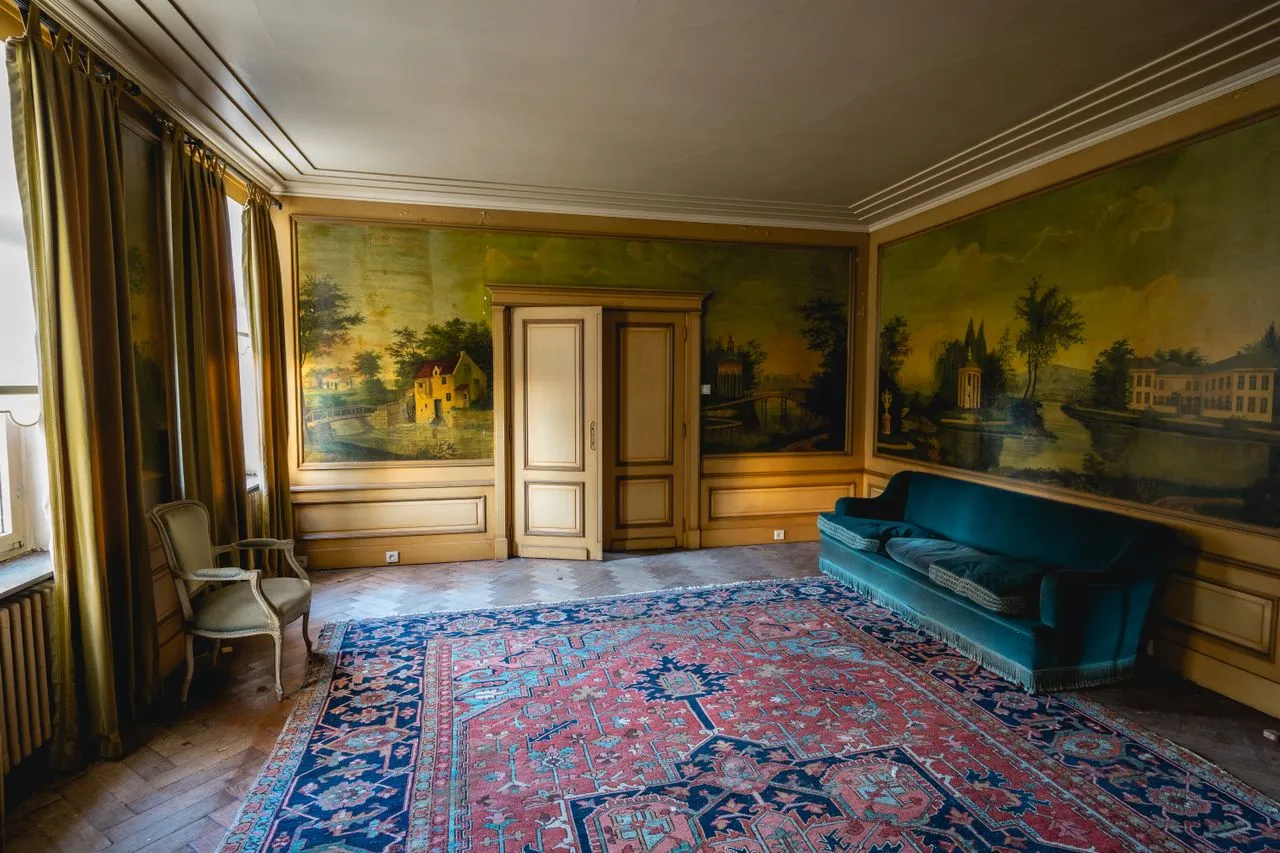
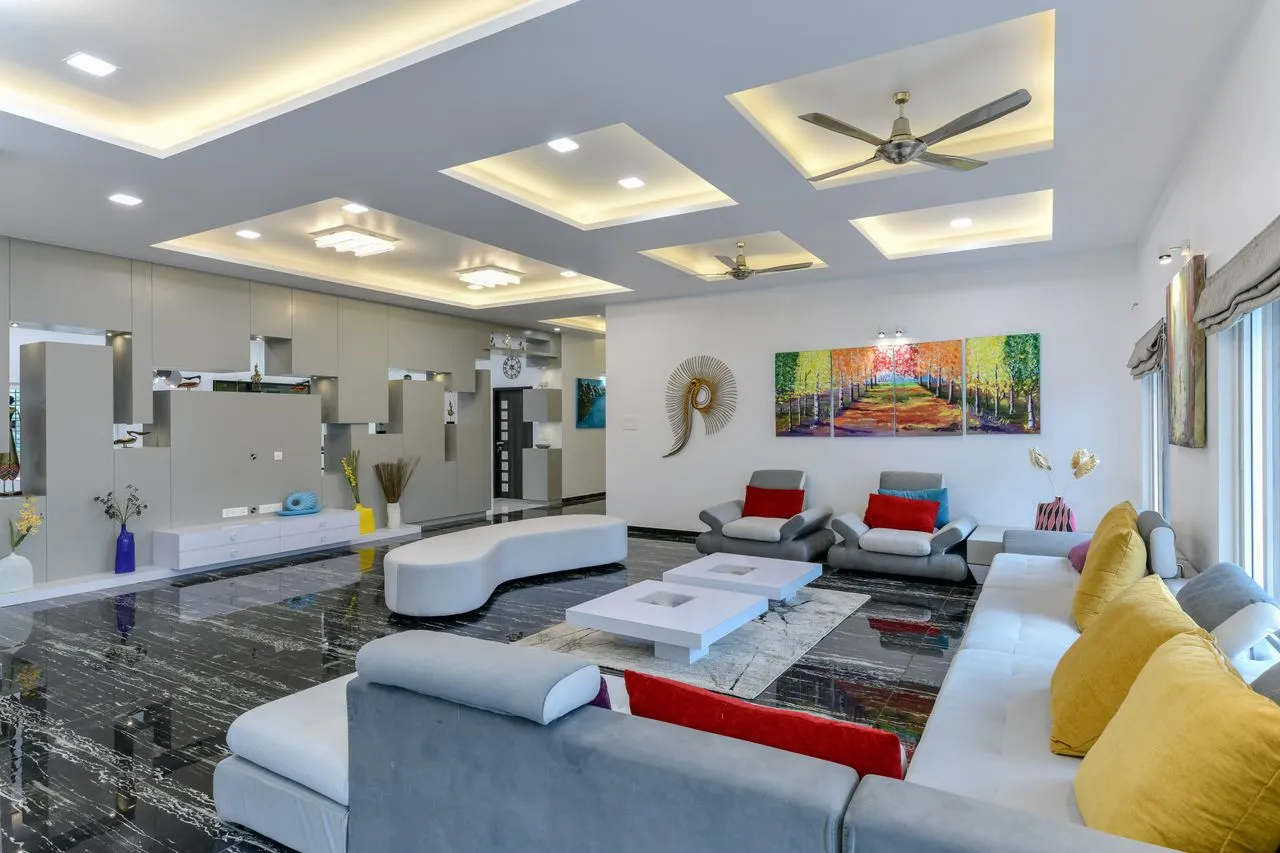
Different houses. The same level of consideration.
Coordination
The client shouldn't have to coordinate the house one decision at a time.
Your life provides the information. Our role is to give that information spatial and material form.
Residential projects ask for decisions at very different scales.
Some belong to the people who will live there: how they gather, what they want to keep, what privacy means to them, which routines matter and what they want the home to make easier.
Others require sustained coordination across drawings, materials, joinery, lighting, furniture, suppliers and installation.
Caden House's role is to keep those decisions connected.
The client remains involved where their knowledge and judgment matter most, without needing to personally manage every relationship required to carry the interior through.
Evidence
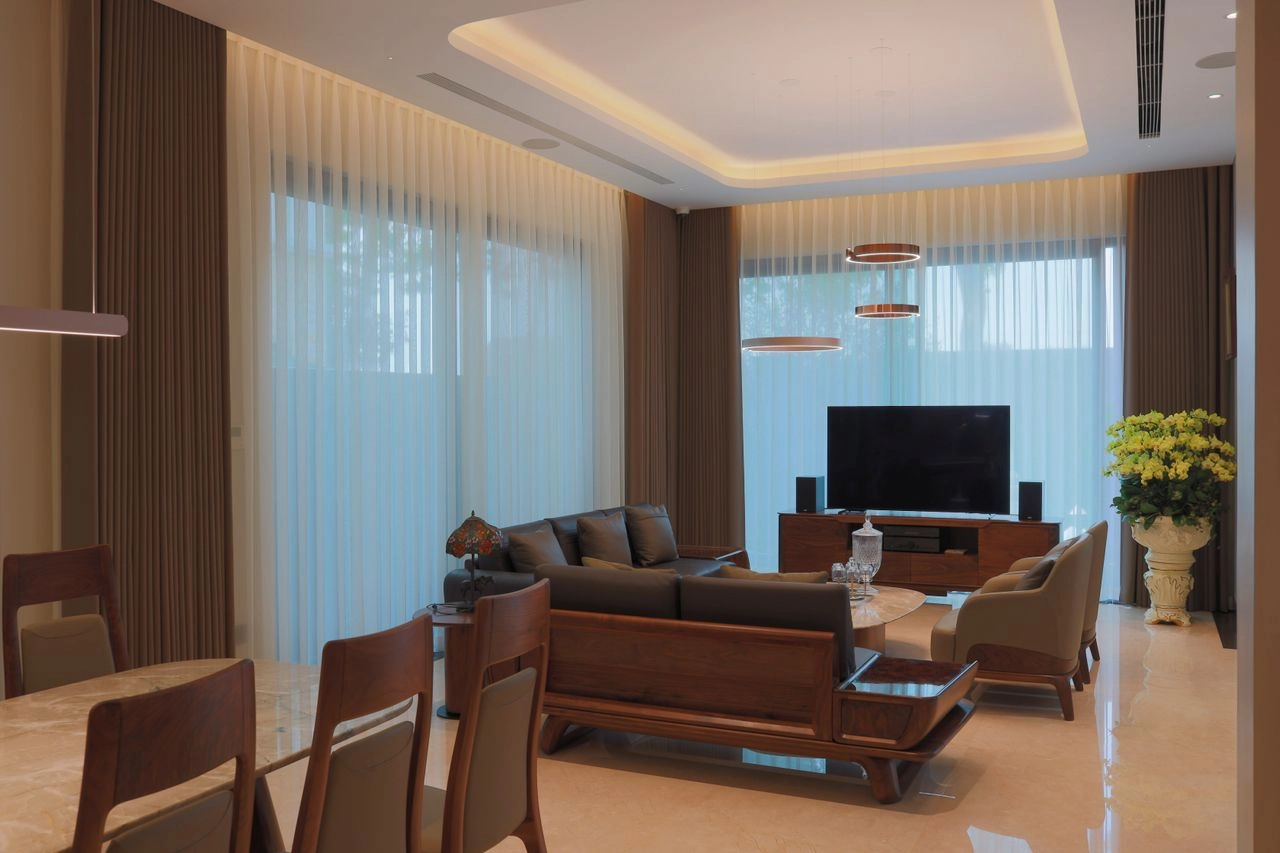
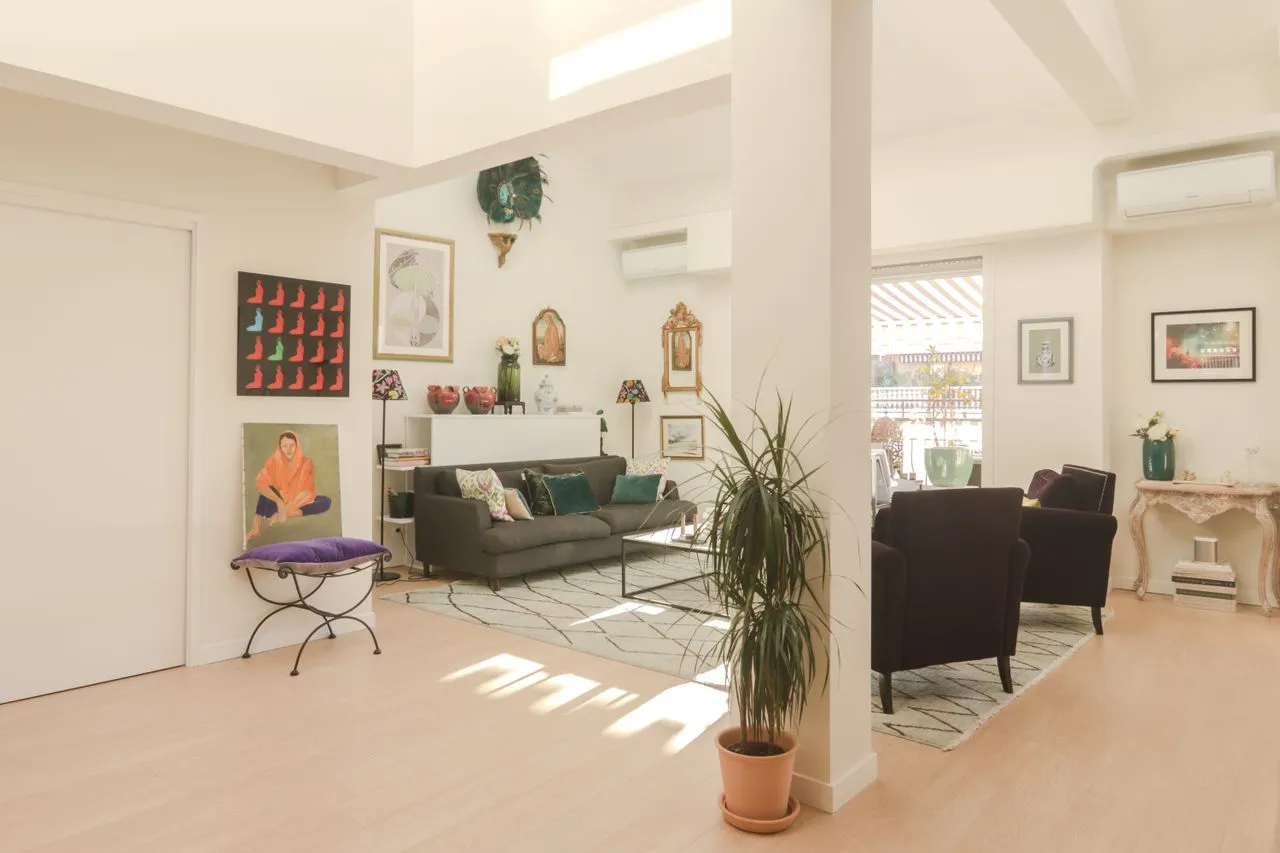
The approach becomes clearer in the work.
Each residence begins with different conditions and reaches its own response.
Planning a Residence?
A new project begins with understanding what the home needs to do differently.
Tell us about the residence, where the project currently stands and what you would like to change. We can begin from there.
Start an Enquiry