 Caden House
PRIVATE HOME
The Collector's House
“New rooms for a life already collected.”
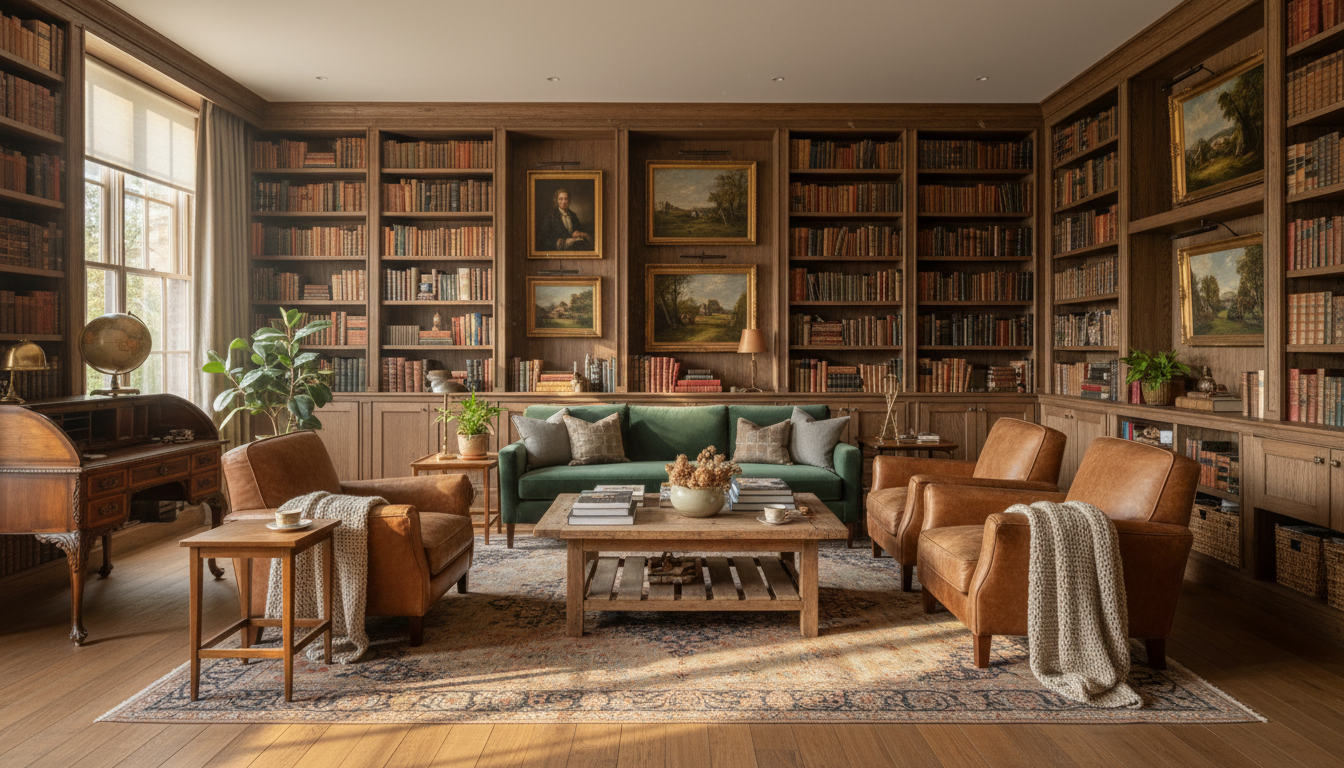
The starting point wasn't an empty house. Furniture, books, artwork and objects accumulated over many years already carried meaning for its owners.
The interior creates new relationships between those pieces and contemporary additions rather than replacing everything for the sake of a completely new aesthetic.
Storage, display and quieter architectural elements allow the collection to remain present without overwhelming the rooms.
Project Scope
Full-Service Residential Design
The Brief
Starting again didn't need to mean starting over.
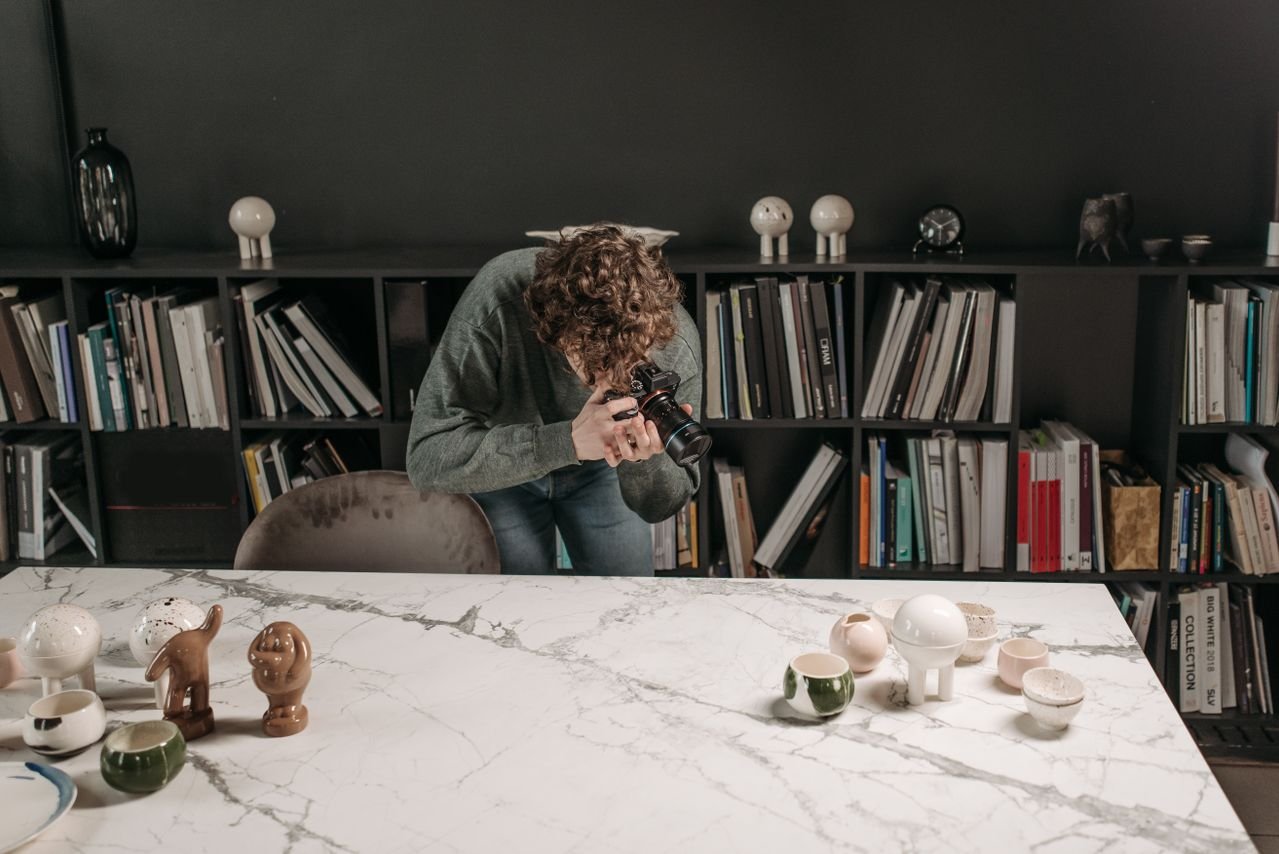
The owners had accumulated pieces they wanted to continue living with. Some had practical value. Others mattered because of where they came from, who they belonged to or how long they had been part of the family.
The question was therefore not what could be cleared away to make room for a new interior. It was what deserved to remain, what needed a different context and what should be introduced to connect everything together.
Continuity
The first decisions were about what not to change.
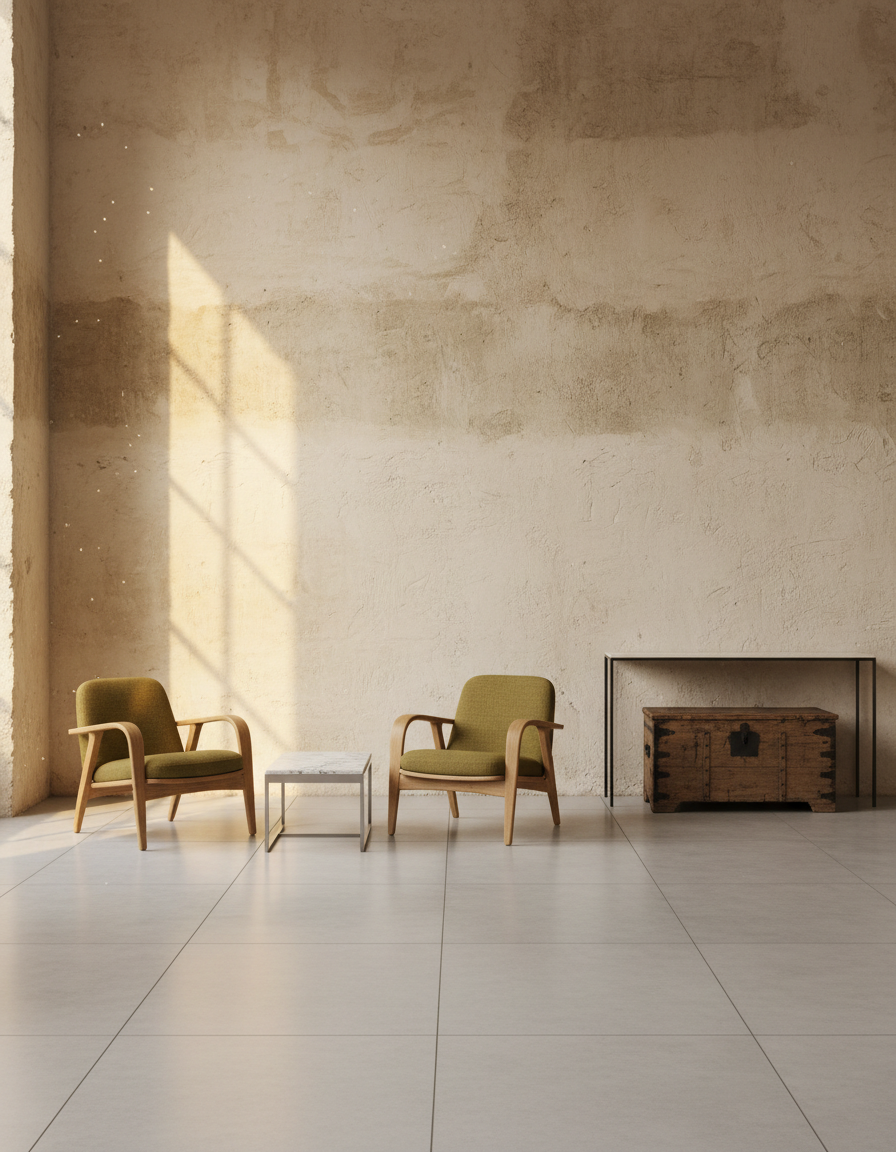
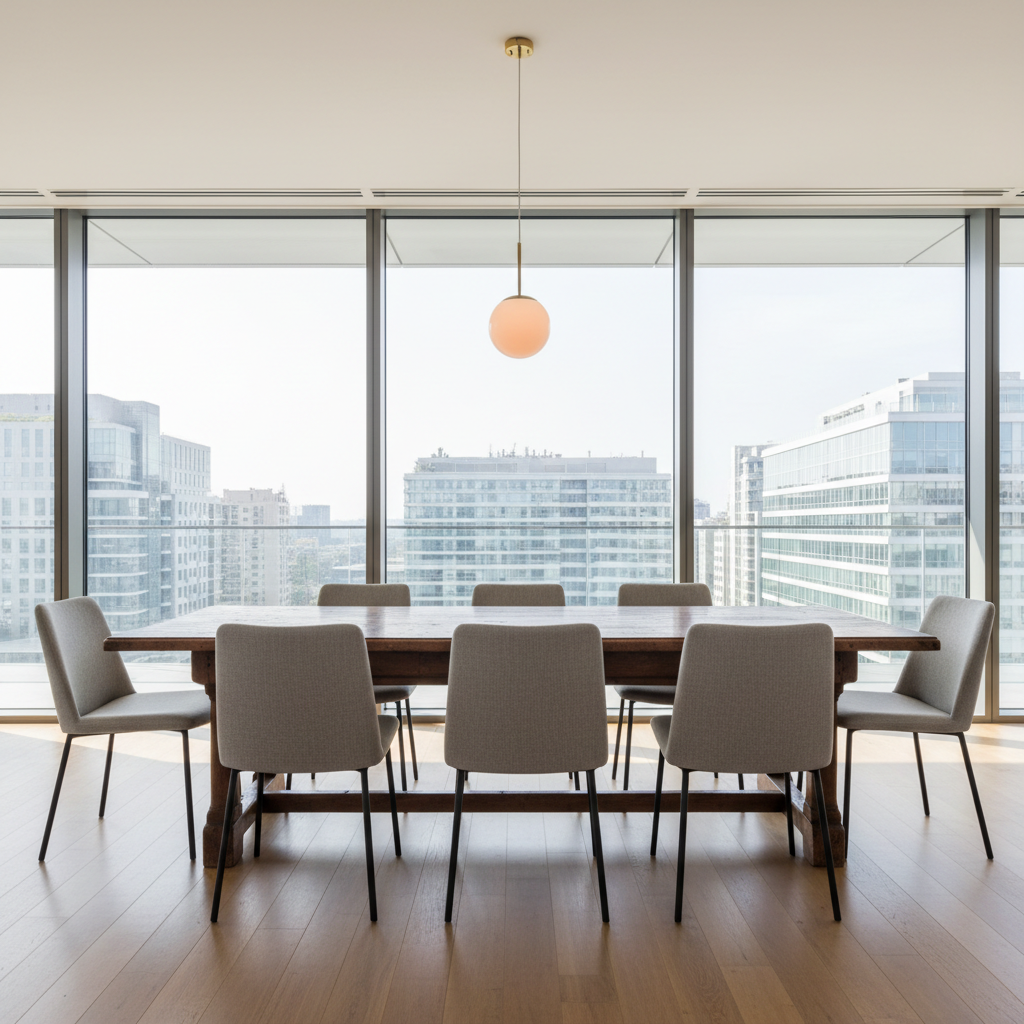
Certain pieces established the starting point for individual rooms. A table determined the scale around it. A painting influenced the balance of a wall. Existing chairs found new relationships with contemporary furniture rather than being replaced simply because they belonged to another period. Keeping these pieces did not mean preserving the previous interior around them. They became ingredients for something new.
Composition
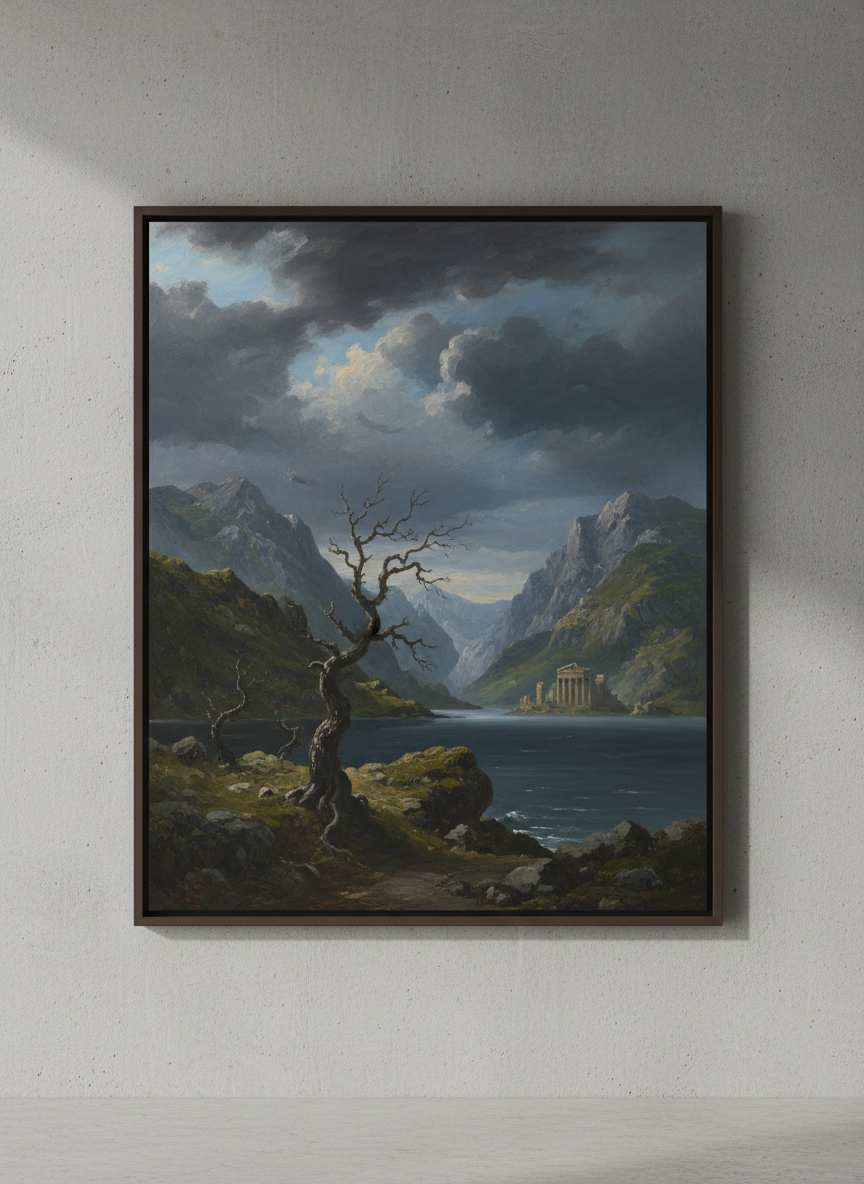
Things collected separately needed to belong together.
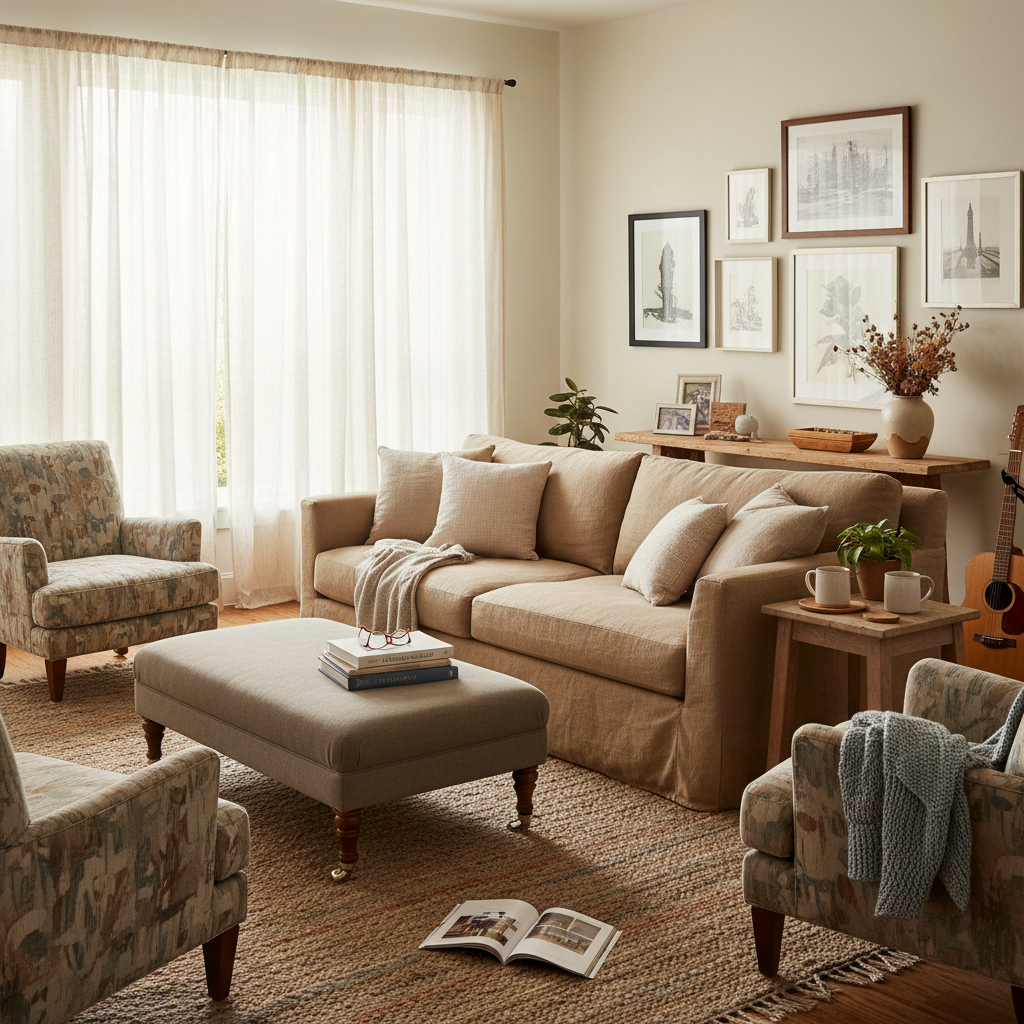
Objects acquired at different times rarely arrive with a shared material palette, proportion or visual language. The rooms therefore rely on composition rather than matching. Furniture is grouped by how it is used. Artwork establishes points of attention. New pieces bridge differences in scale and material. Quieter surfaces give more expressive objects somewhere to sit without competing with one another. The result is layered, but not accidental.
Library & Joinery
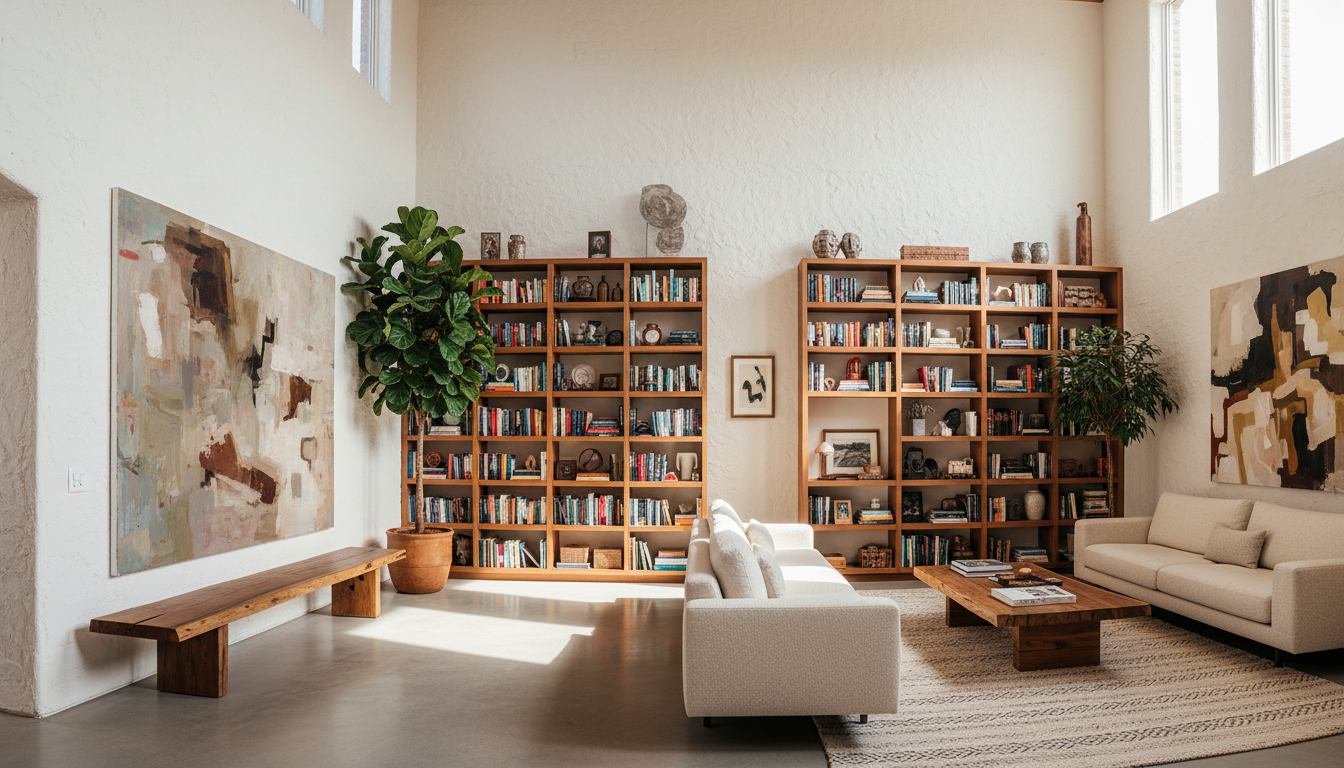
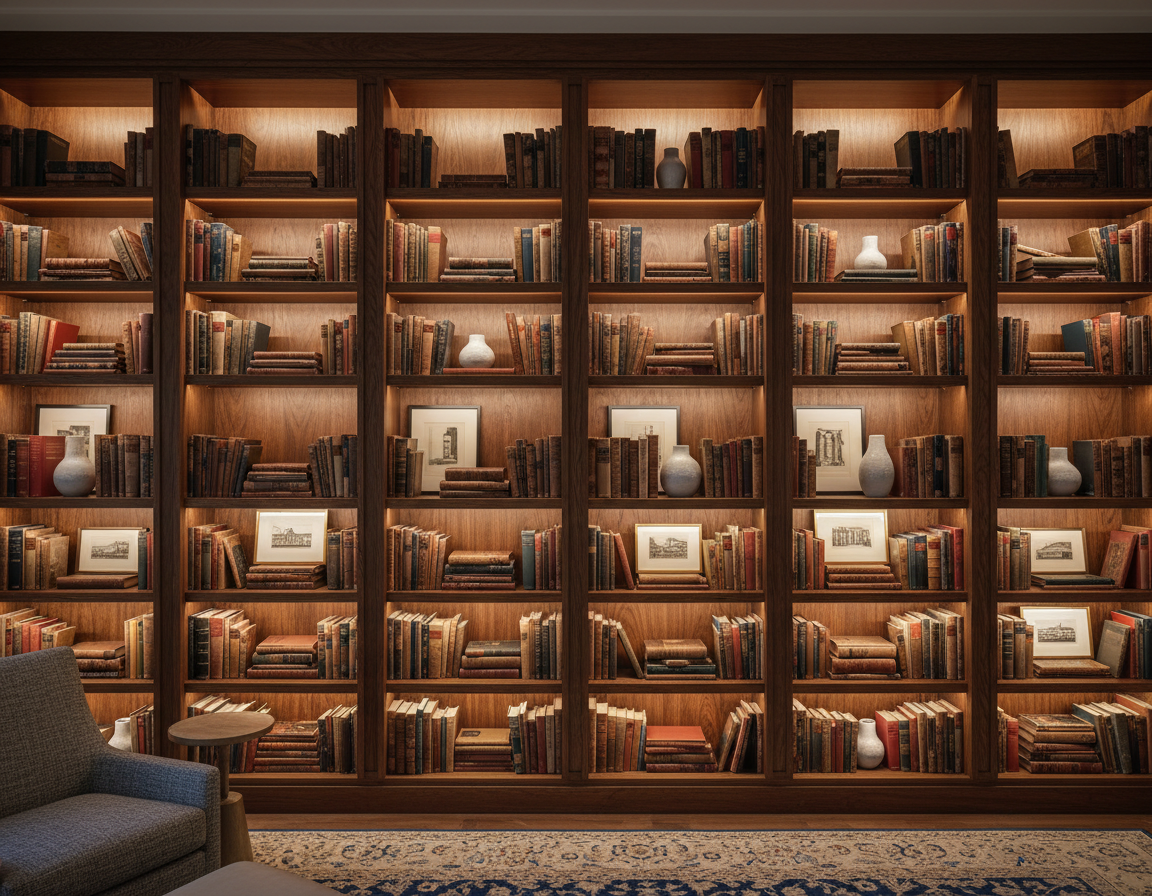
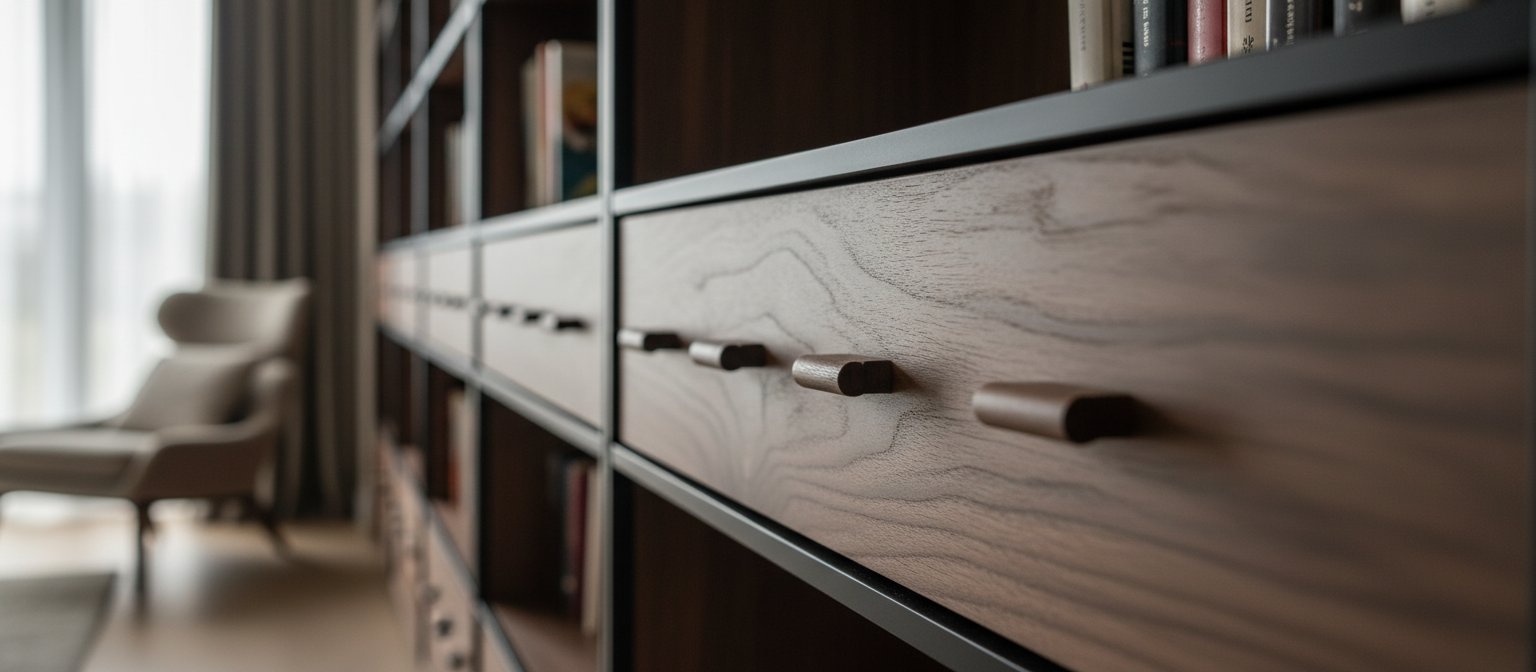
Storage became part of how the collection could remain visible.
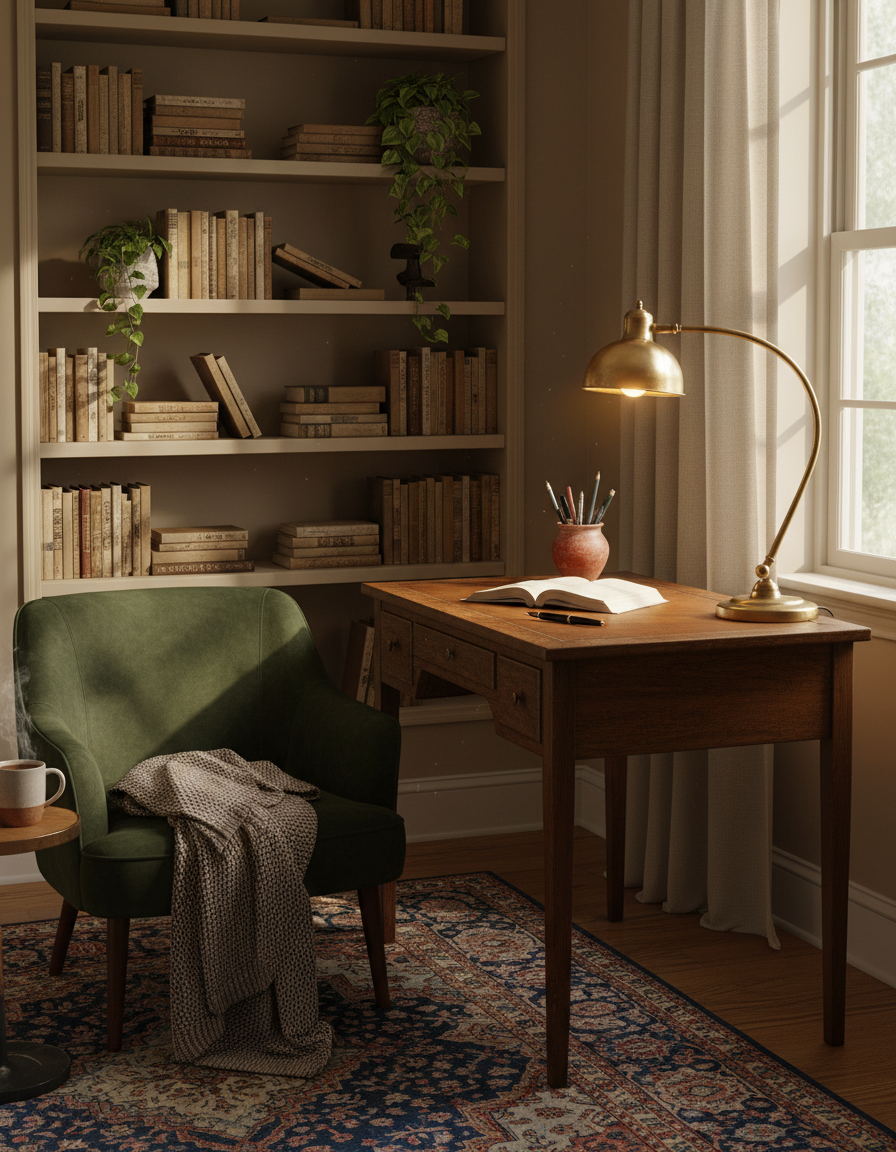
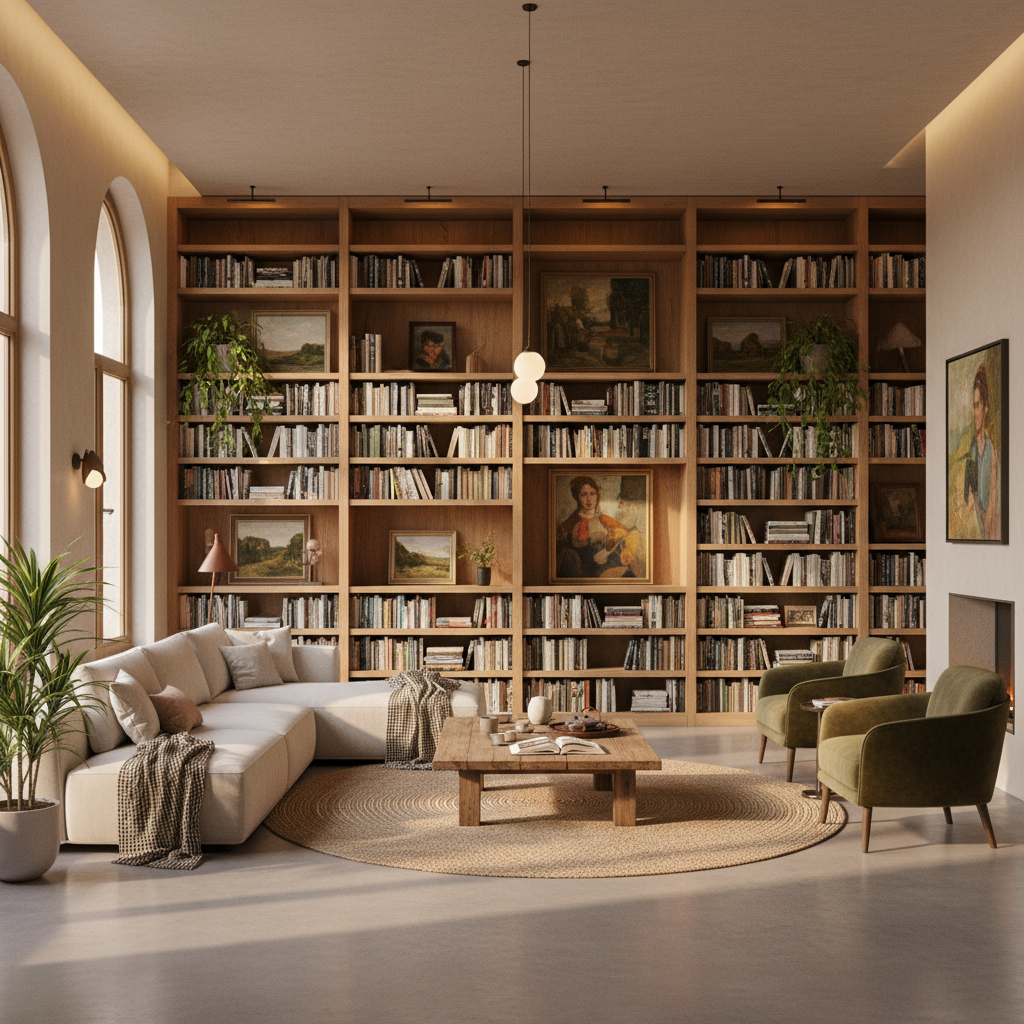
Books were not treated as objects that needed to disappear for the rooms to feel orderly. Custom joinery gives them a permanent architectural place while creating room for smaller artwork, ceramics and objects to sit among them. Closed storage is incorporated alongside the open shelves, allowing the more ordinary requirements of the house to remain nearby without competing for attention.
Material & Detail
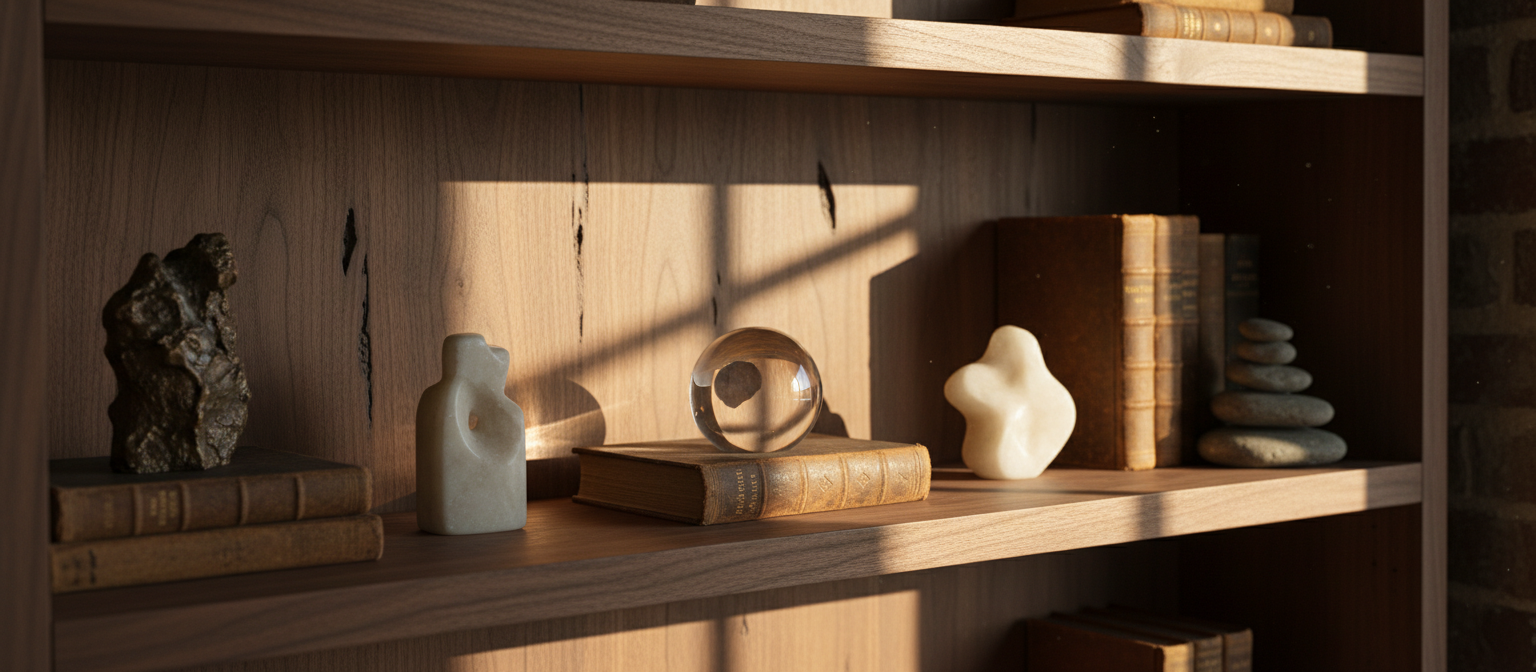
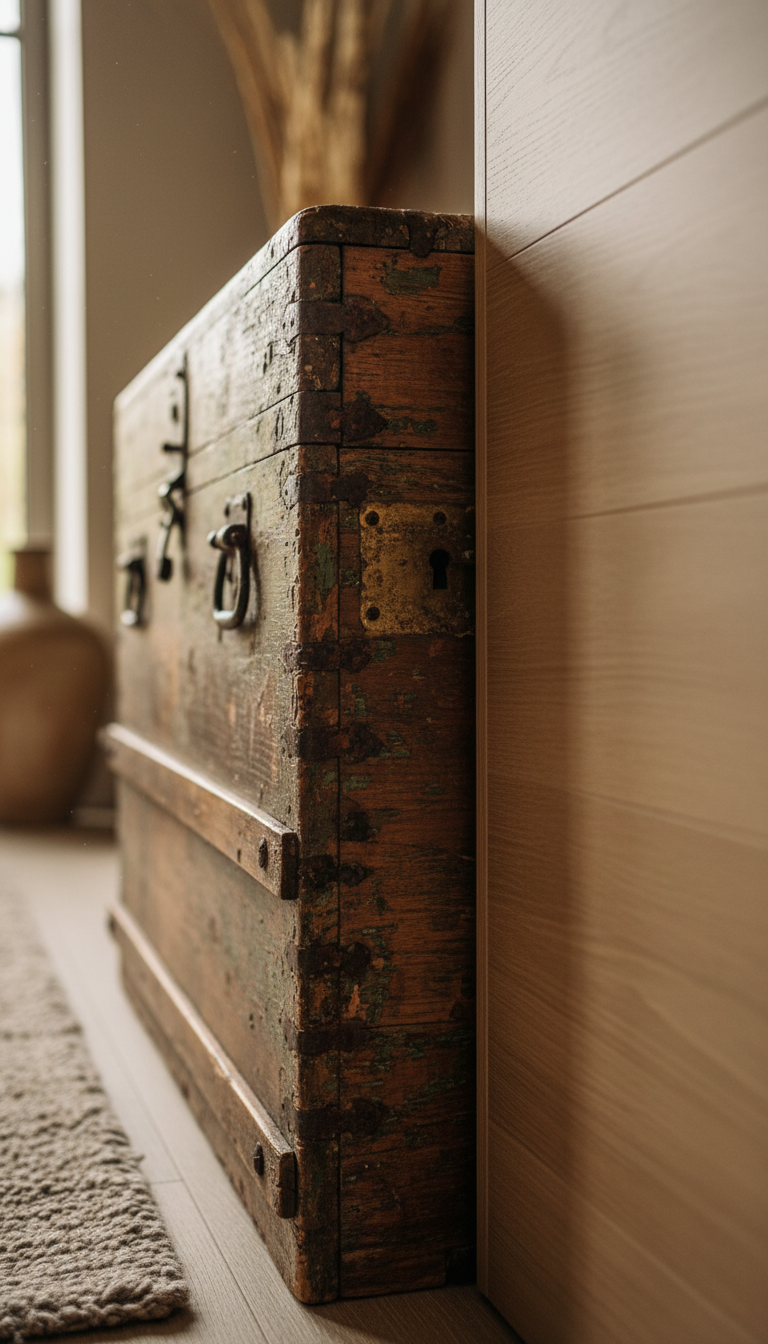
Age was allowed to remain visible.
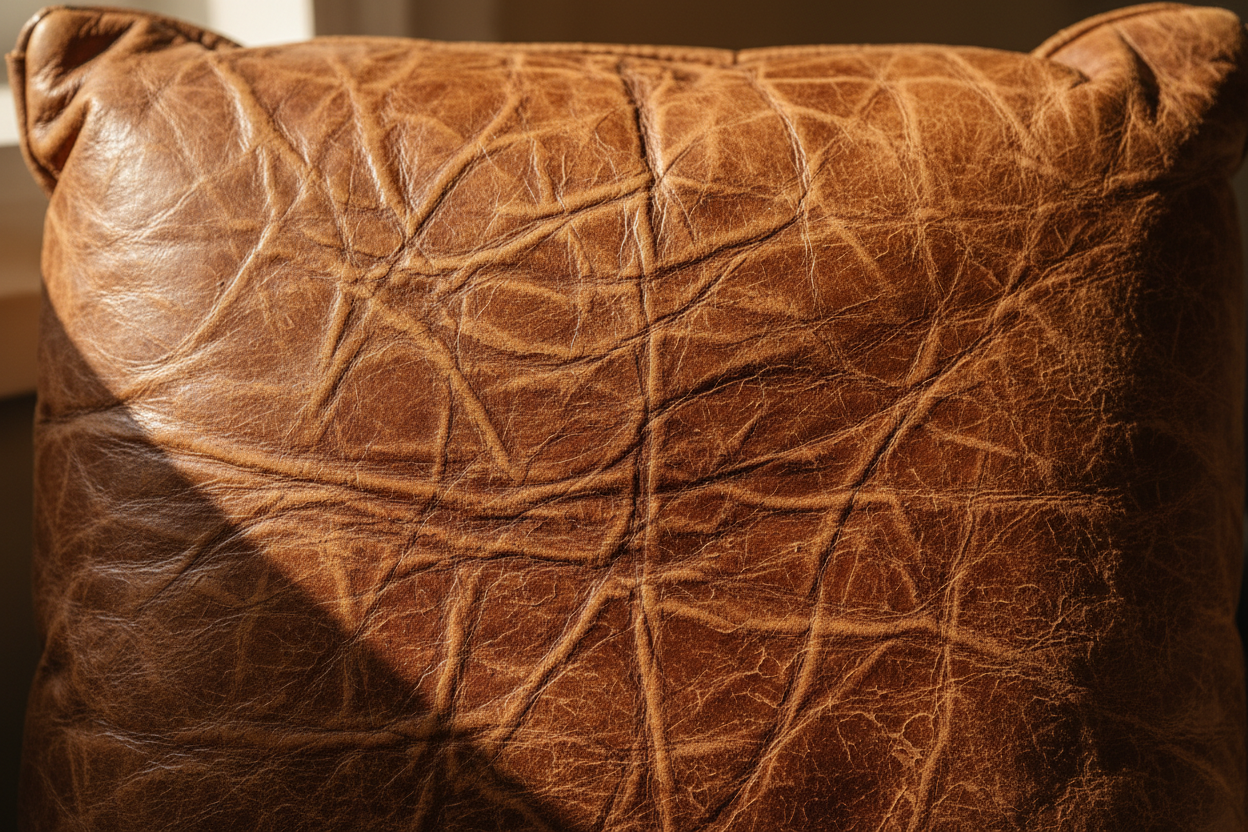
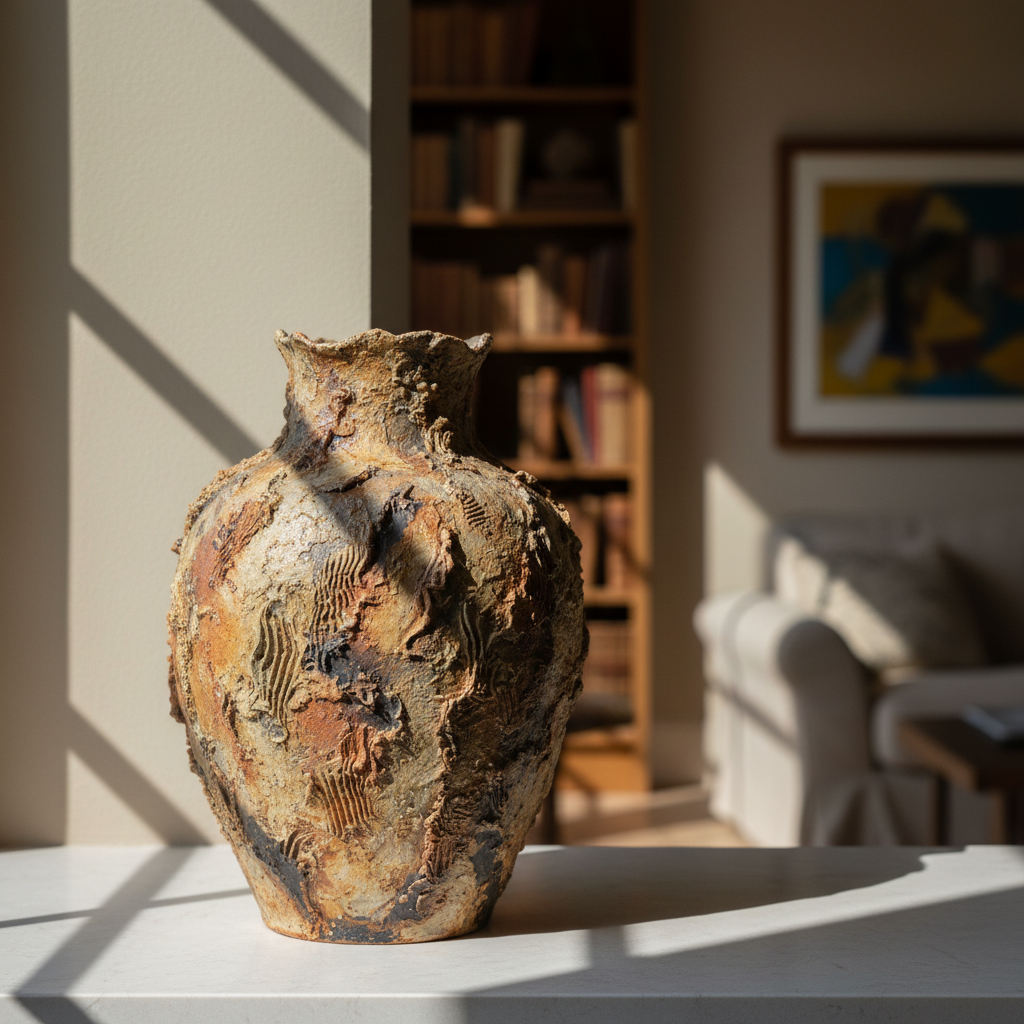
Not every surface needed the same degree of finish. The patina of an older table can sit beside newly finished timber. Worn leather can meet a cleaner textile. A contemporary light can occupy the same composition as an object that has been present for decades. Those differences give the rooms depth. The new work provides coherence without pretending everything arrived at the same time.
Everyday Life
A collection still has to leave room for living.
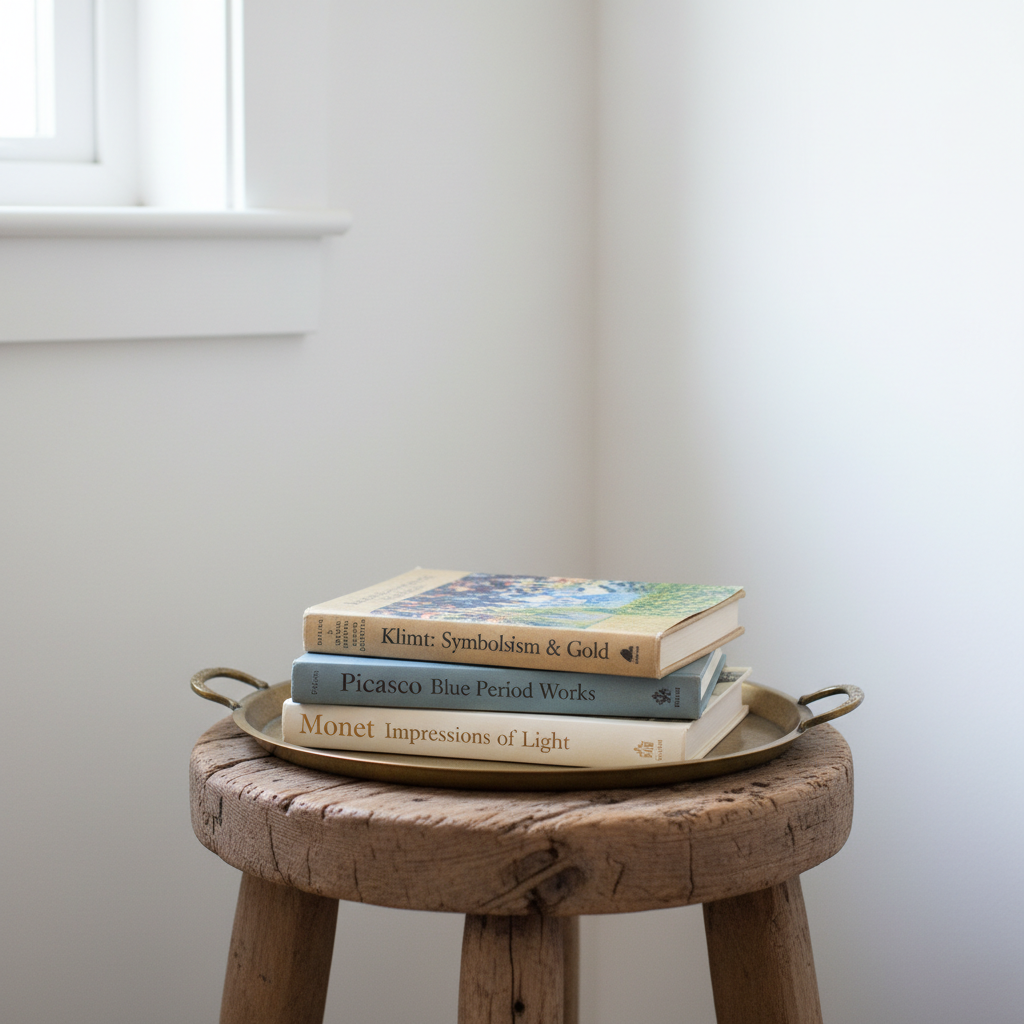
The principal rooms are not organised around displaying possessions. Furniture arrangements allow conversation, reading, working and gathering to happen naturally among them. Tables can hold books without becoming exhibits. Shelves can change. Chairs can move. New objects can arrive. The interior gives the collection structure without making the house feel finished in the permanent sense.
Private Rooms
Some things belong closer to their owners.
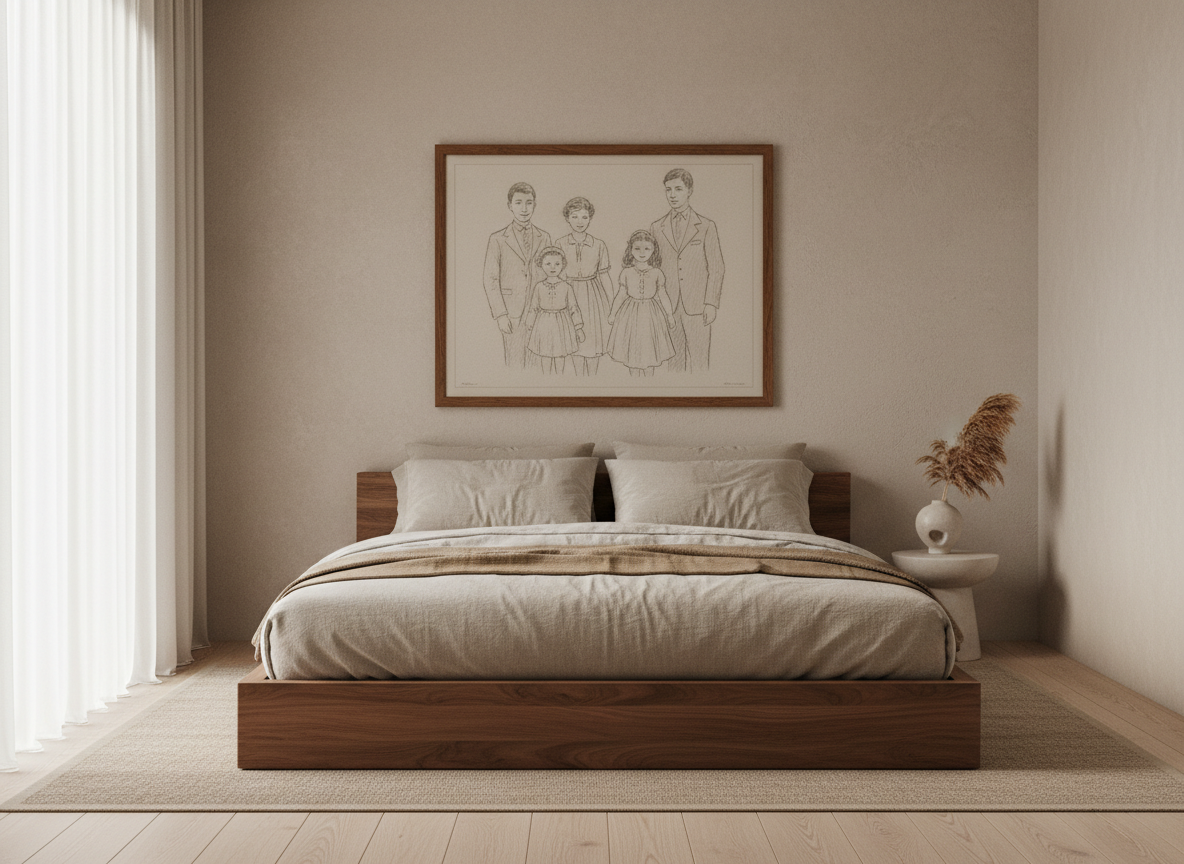
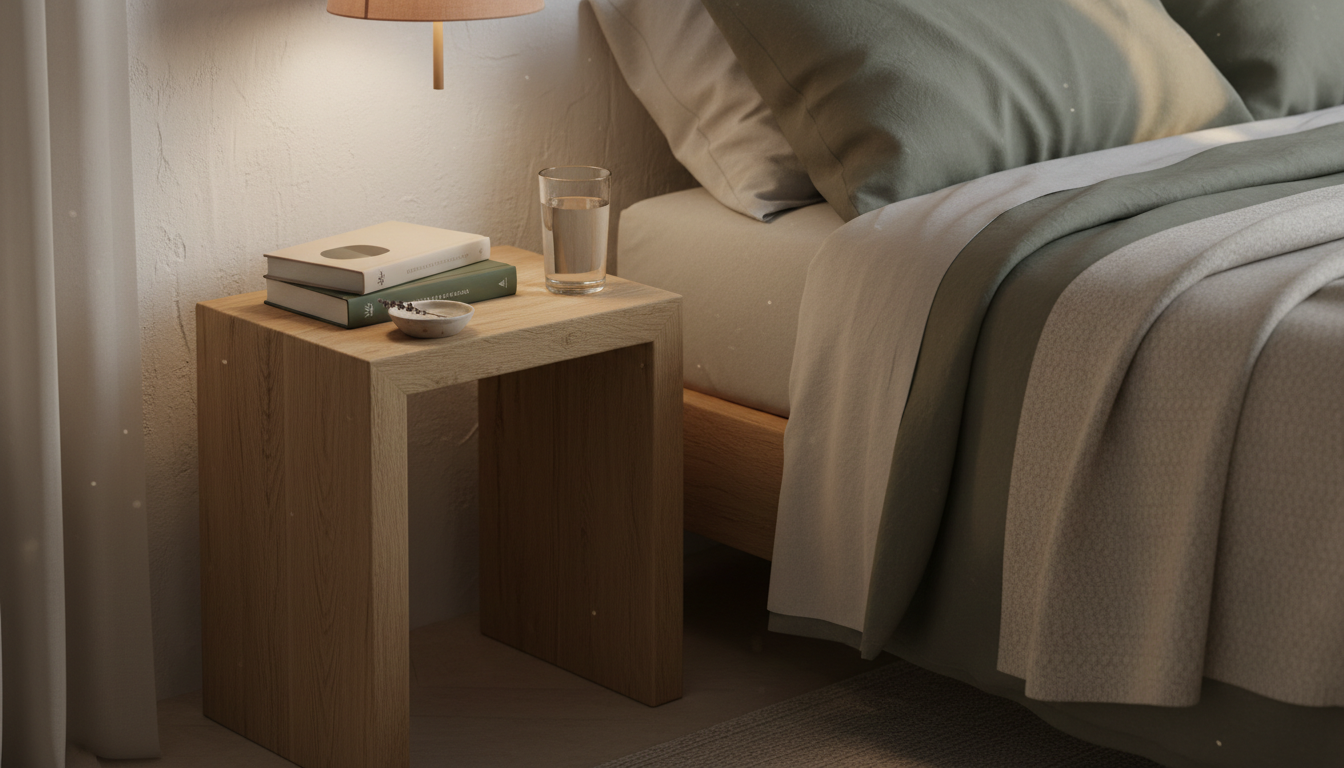
The private rooms contain fewer pieces, but often the more personal ones. Smaller artwork, books, photographs and familiar furniture sit within a quieter material palette, while integrated storage keeps the rooms from becoming visually overloaded. These spaces are less about presenting a collection and more about proximity to the things that have remained meaningful.
“The house was not designed to look newly complete, but to leave room for what comes next.”